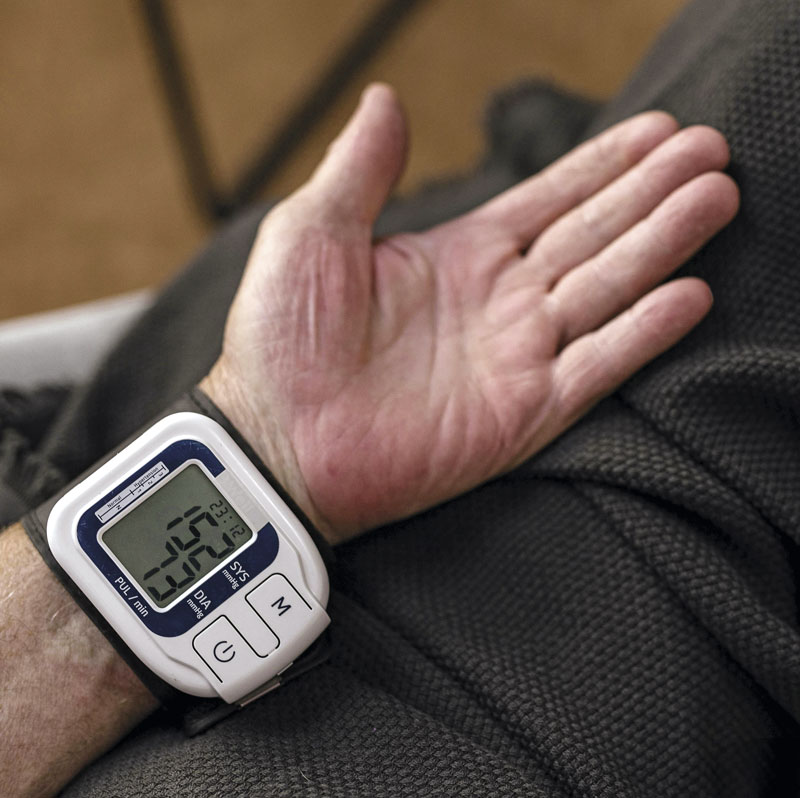
shvets production /pexelsPortable devices allow for constant measurements and help prevent heart attacksshvets production /pexels
In 2022, a group from the Federal University of Minas Gerais (UFMG) found that one in four Brazilian residents (23.9%) had high blood pressure, a risk factor for cardiovascular disease. It was more common in women (26.4%) than in men (21.1%), as well as in people over 60 years of age (55%). The conclusions were based on 88,531 respondents to the second edition of the National Health Survey, conducted in 2019. Nearly half (57.8%) of people with high blood pressure said they had received medical attention in the previous six months. The prevalence of hypertension among the Brazilian population was similar to high-income countries (39% to 50.4%) and is considered high, but it has been worse. Another study by the same UFMG team, based on information provided by 59,226 people in the first National Health Survey in 2013, found that one in three Brazilians (32.3%) had hypertension—33% of women, 31.8% of men, and 66.1% of people over 60 years old. The majority (60%), especially among women, the elderly, and people who lived in cities, took medication to reduce their blood pressure (BMC Public Health, February 25).
Republish