


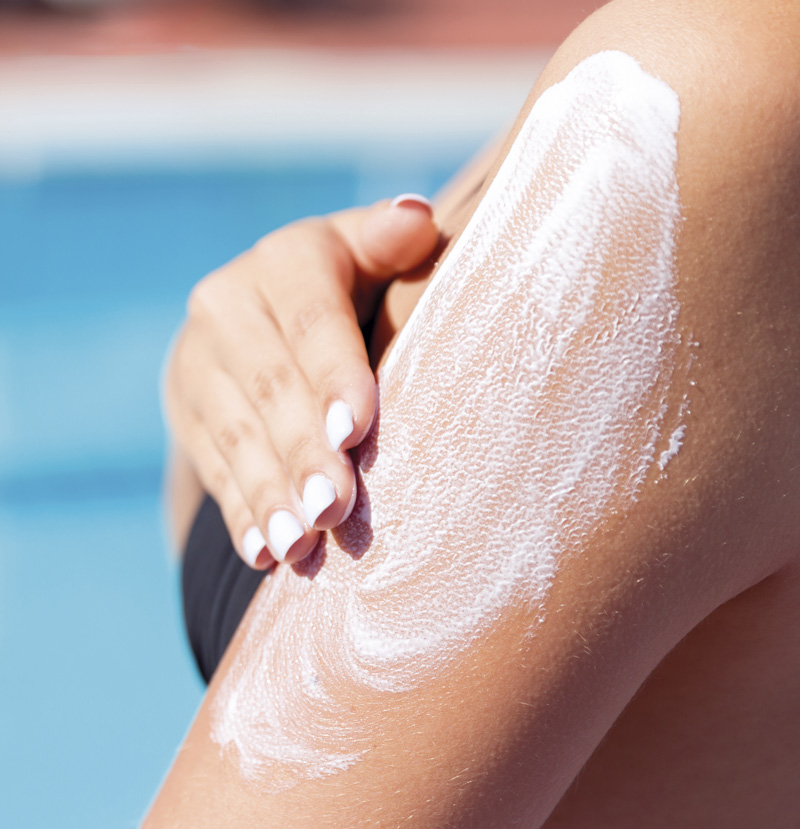
Mykola Sosiukin / Getty ImagesSunscreen is good for the skin, but delays the decomposition of plasticsMykola Sosiukin / Getty Images
Ethylhexyl methoxycinnamate (EHMC), a common ingredient in sunscreens, moisturizers, and other skincare products, absorbs type B ultraviolet rays, the main cause of sunburn, and helps prevent visible signs of premature aging, such as dark spots. According to the University of Stirling in the UK, however, it can also extend the lifespan of plastic packaging that ends up in the ocean. When plastics absorb EHMC, they become more resistant to degradation by sunlight and microorganisms. The chemical hinders the growth of aerobic bacteria, which need oxygen to breathe and help decompose plastics, while favoring the growth of anaerobic bacteria, which do not require oxygen and are more resistant to harsh environmental conditions. Plastics soaked in EHMC showed reduced levels of pollutant-degrading bacteria, such as Marinomonas, and an increase of others, such as Pseudomonas, which can cause serious infections. The findings highlight the need to consider the impacts of chemical compounds on strategies to combat plastic pollution (Journal of Hazardous Materials, September 5).
Republish