S&T Policy
History of Fapesp X

Delicate relationships
The research contribution of São Paulo state universities to gender studies


História da FAPESP IX
The world in a trance
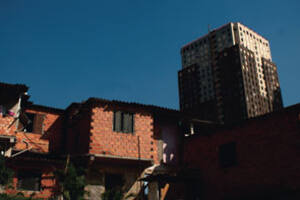
The paradigms of research on urban problems
History of FAPESP VIII

1.2 million downloads per day
FAPESP’s SciELO Program has created a new level of quality and dissemination
Invasive species
Undesirable, but not always
The debate about the control of exotic plants and animals heats up
Energy scenarios

Bio-refineries of the future
Studies reveal forecasts about the share of ethanol in agriculture



Engineering education

ITA’s flight
New dean seeks to double the seats at engineering school


Celebration

Debate in Washington
A symposium on Brazilian science celebrates FAPESP's 50th anniversary

History of FAPESP V

Competition in the sky
FAPESP have helped astronomers and astrophysicists produce science
Bioenergy
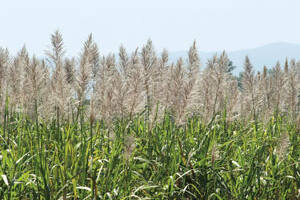
Ethanol that mobilizes the world
Conference shows the search for new ways to produce biofuels
Scientific production

Brazil’s “hot” articles
The themes in which Brazilian science has achieved international visibility
FAPESP'S History IV
Science in companies
FAPESP's strategy has influenced the landscape of innovation in Brazil
Chris Somerville

Christopher Roland Somerville: Alternatives under development
Universities, companies and government take joint action to make biofuels
History of FAPESP III
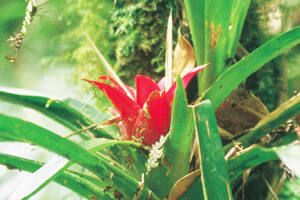
Ecological path
FAPESP has been investing for five decades in biodiversity studies
Polemic
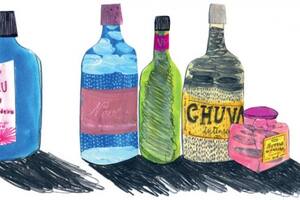
The owners of rain
Interventions on global climate may already be feasible, but carry huge risks

Indicators
Advances and challenges
Analysis shows the strength of research and development in São Paulo
History of FAPESP II
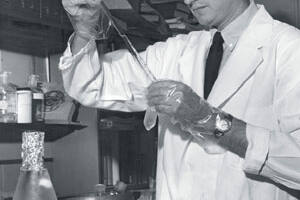
New paradigms
The Bioq-FAPESP Program boosted biochemistry in the 1970s
Budget

The battle for pre-salt
Scientific societies go to Brasilia to try and reverse the loss of resources