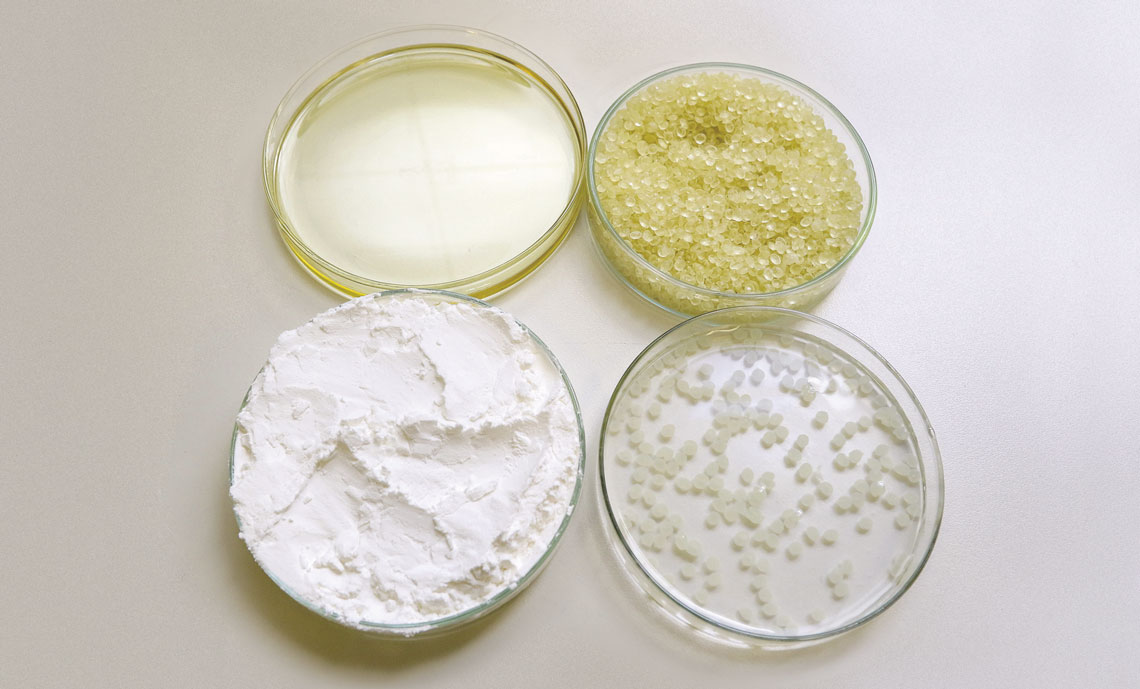
An aromatic herb widely used in cuisine and natural medicine may become part of the weaponry in the fight against the Aedes aegypti mosquito, which transmits dengue, zika, and chikungunya. The solution, devised at the School of Food Engineering of the University of Campinas (FEA-UNICAMP), contains the main active ingredient of essential thyme oil (Thymus vulgaris), known for its larvicide effect. Protected by patent, the technology was licensed in 2024 to the company Zöld Brasil, based in Santana do Parnaíba (São Paulo), which specializes in the control of urban pests and disease vectors.
In laboratory and field tests, supported by the Federal University of Sergipe (UFS) and the municipal government of Adamantina (São Paulo State), the product eliminated 100% of mosquito larvae within 48 hours, according to the study’s leader Ana Sílvia Prata. The larvicide, recommended for small domestic hotspots such as bottles, tires, plastics, and pots, was developed with support from FAPESP. An article was published in the journal Industrial Crops and Products in 2019.
“The main innovation is the carrier—a starch matrix developed to encapsulate and gradually release the thyme oil—rather than the main ingredient itself,” explains Prata. “In the literature, many essential oils and natural extracts act as a larvicide; the question is how to achieve the desired efficiency in the field.”
According to the researcher, many essential oils are ineffective because they are not very water-soluble and contain low-mass molecules, making them highly volatile. “This makes it harder to apply in water-based environments, where the larvae grow. its volatilization further reduces its efficacy.”
The solution was to create a container for the thyme oil, made from biodegradable cornstarch particles. Taking the shape of a grain of 5 millimeters (mm) in diameter, the larvicide has an estimated shelf life in excess of four years, and behaves like the Aedes egg, which can survive for up to two years in a dry state. Upon its contact with water, the larva-eclosion process begins, lasting around three days.
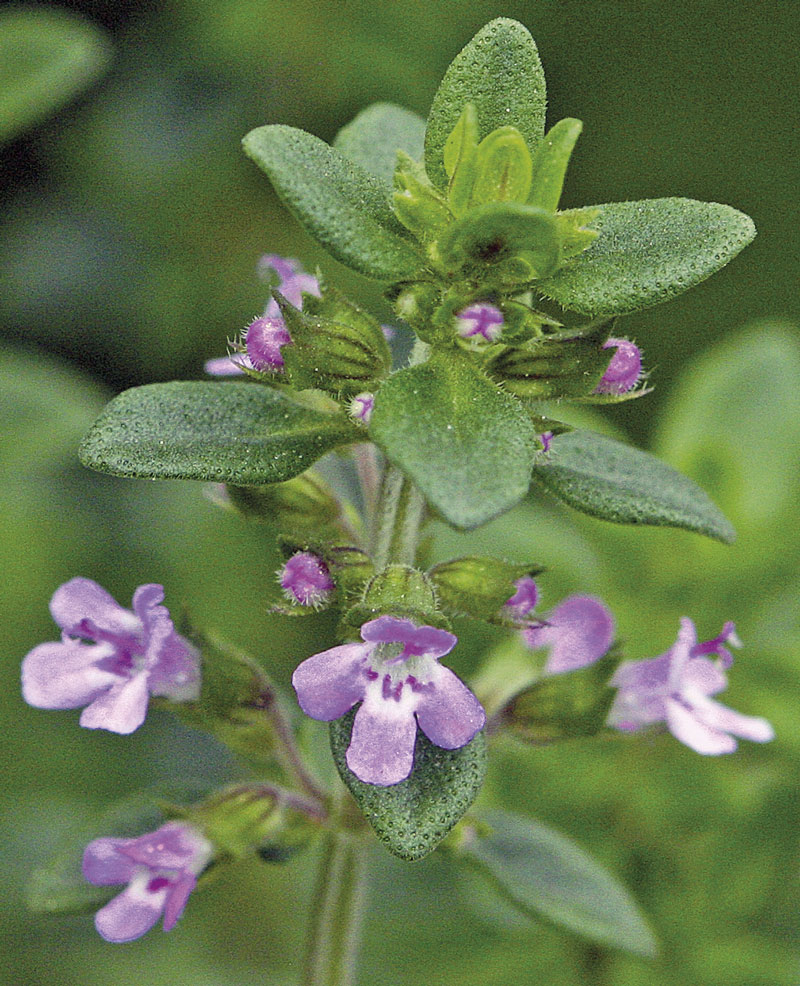
Pharmattila / Wikimedia CommonsThe aromatic herbPharmattila / Wikimedia Commons
“The particles were designed to sink in the water and slowly release the oil. After three days the concentration is sufficient to eliminate the larvae,” says Prata. Once the larvicide is placed into the recipient, only some of the oil enclosed therein is released, primarily due to the water-solubility limitations of the compound. After the water evaporates, the particles can be reused up to 5 times due to their resistance to rainy and dry cycles.
“Thymol, the key active ingredient, is released slowly, prolonging its effect, which is interesting, like the stability of the formula,” ponders Cláudio von Zuben, of São Paulo State University (UNESP), Rio Claro campus; he did not participate in the study, but has been involved in the development of other larvicides against Aedes aegypti. “One of the limitations would be its use on small focus points only. Having said that, they are the most important in domestic environments.”
Zöld plans to launch the product at the beginning of 2026. “We are running laboratory tests and updating the documentation required by the Brazilian Health Regulatory Agency (ANVISA) to have the active ingredients used in the formula classified as disinfestants or insecticides; currently they are considered to be flavoring compounds or disinfectants, says the company director César Xavier.
The story above was published with the title “Thyme against Aedes” in issue 355 of September/2025.
Republish