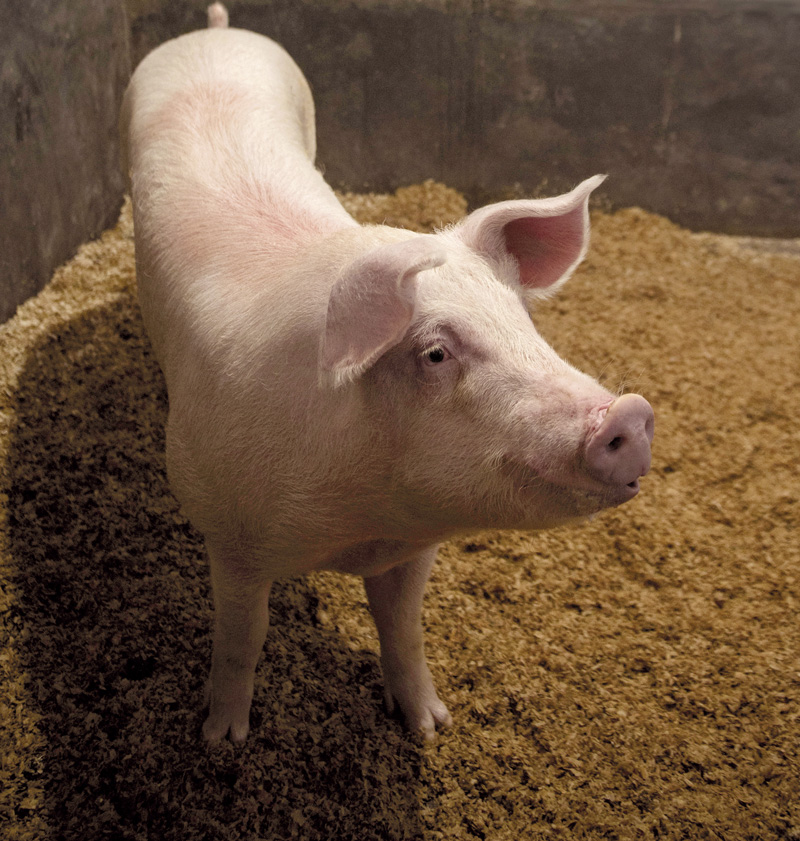
Léo Ramos Chaves / Pesquisa FAPESP Genetically modified pig bred at USPLéo Ramos Chaves / Pesquisa FAPESP
In March, Ricky Slayman, 62, who had been diagnosed with diabetes, heart problems, and end-stage kidney disease, received a pig kidney that had undergone 69 genetic edits to reduce the risk of rejection, along with the insertion of seven human genes. The procedure, led by Brazilian surgeon Leonardo Riella and his team at Massachusetts General Hospital, USA, was the first successful kidney xenotransplantation—so called because it involves an organ from another species. Levels of creatinine (a protein filtered by the kidneys) fell, and a rejection episode eight days after surgery was managed with medication. After 52 days, however, the patient died. An autopsy revealed severe coronary artery disease, but no signs of rejection of the transplanted kidney. In July, Lisa Pisano, 54, the second person to receive a genetically modified pig kidney, died from kidney and heart failure 49 days after receiving the organ. Her transplant had been performed at a hospital affiliated with New York University (New England Journal of Medicine, May 14). With the technique showing promise, the University of São Paulo (USP) inaugurated a specialized facility in April to produce genetically modified pigs for organ donation to humans (see Pesquisa FAPESP issue n° 339).
Republish