newsletter printed editions
español português
  • Science
  • S&T Policy
  • Technology
  • Humanities
  • Health
  • Videos
  • Print issue
  • newsletter
  • português español

Issue # 348 _ February 2025
Browse the magazine

Cover

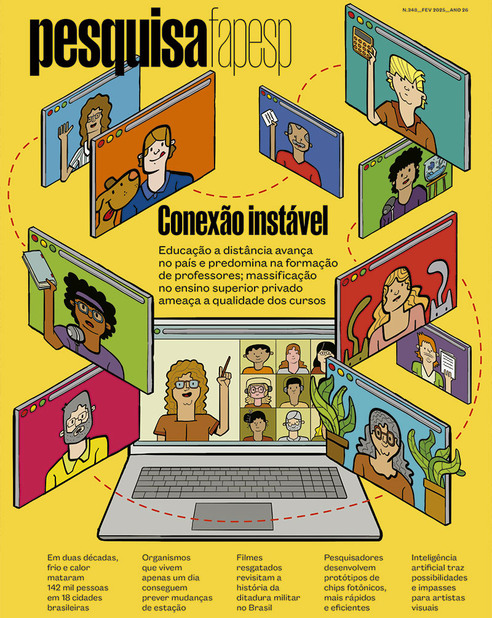
Distance learning on the rise in the private sector, representing the majority in teaching degrees
Rapid and disorganized expansion of distance-learning undergraduate courses in Brazil exposes the potential and weaknesses of the model By Fabrício Marques

Interview

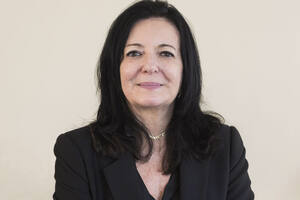
Maria Amélia Veras: A keen eye for disparities

Dr. Maria Amélia Veras investigates the living conditions of transgender and homosexual individuals, alongside viral factors, to curb the spread of sexually transmitted infections By Ricardo Zorzetto


Sections

Data

Editorial

Good practices

Notes

Photolab

Research Itineraries

Retrospect


INDICATORS

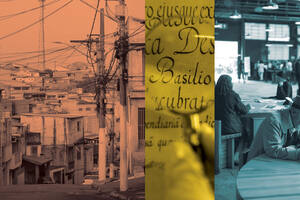
Surveys reveal expansion and diversification of topics of interest to researchers in Brazil

Data indicate changes in the distribution of research teams and a greater variety of subjects studied at Brazilian universities

By Sarah Schmidt

interview

Maysa Furlan: Breaking the glass ceiling

Maysa Furlan, a specialist in natural product chemistry and the first female dean of UNESP, reflects on the challenges women face in science

By Sarah Schmidt and Fabrício Marques

CLIMATE CHANGE

2024 was the first year with global warming above 1.5 °C

All continents broke their average temperature record except for Oceania and Antarctica

By Marcos Pivetta

PHYSIOLOGY

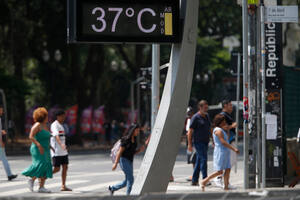
Cold and heat killed 142,700 people in Brazilian cities from 1997 to 2018

Deaths from extreme temperature highs and lows caused annual losses of around US$443 million in the period

By Giselle Soares and Ricardo Zorzetto

ENVIRONMENT

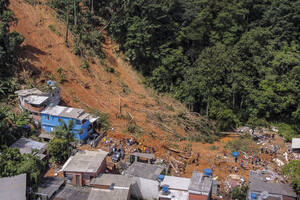
Artificial intelligence identifies areas most vulnerable to landslides

Study compares the effectiveness of five machine-learning models at predicting this type of disaster in São Sebastião

By Giselle Soares

GEOSCIENCES

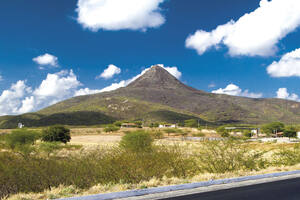
Map exposes oldest structures in South America

Tomography techniques redefine boundaries of rock structures formed billions of years ago

By Carlos Fioravanti

PUBLIC HEALTH

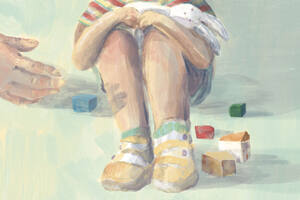
Sexual violence against boys grew at a rate of 6.8% per year between 2013 and 2022

39,900 cases were reported in the period; two of every three occurred at the victim's home

By Mariana Ceci

CHRONOBIOLOGY

Biological clock of cyanobacteria, which live for one day, predicts the arrival of winter

Result surprises scientists, leading them to rethink the mechanisms and evolutionary importance of adjusting to natural rhythms

By Maria Guimarães

ZOOLOGY

GPS mapping reveals the role of forests in jaguar conservation

Study included 54 jaguars fitted with tracking collars in 12 locations across South America

By Guilherme Costa

ECOLOGY

Rodents in the Pantanal use holes dug by armadillos as temporary shelter

Other animals, such as ocelots and foxes, were observed approaching the dens but not entering

By Guilherme Costa


PHYSICS

Disorder in state of matter generates new type of superconductor

Manipulation of the so-called nematic phase can be used to stimulate conduction of electric current without energy loss

By Danilo Albergaria

OPTICS

New generation of chips

Brazilian universities and research centers developing prototypes of light-based devices that promise greater speed and lower energy consumption

By Carlos Fioravanti

MATERIALS ENGINEERING

Research centers and companies in Brazil finding new applications for niobium

Innovations made using the material target batteries, cosmetics, fungicides, and catalysts

By Frances Jones

NEUROSCIENCE

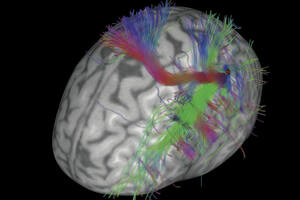
Robotic platform makes transcranial magnetic stimulation treatment more precise

Software-guided equipment created by Brazilian researchers improves equipment used to treat degenerative and psychiatric diseases

By Suzel Tunes

SOCIETY

Children can help make cities more welcoming and inclusive

Children’s participation in urban planning should be taken seriously, researchers say

By Regiane Oliveira
CINEMA

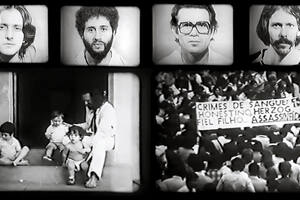
Researchers recover lost films on the Brazilian military dictatorship

Imagens were produced by professional and amateur film-makers while political repression and censorship blocked their circulation

By Ricardo Balthazar

VISUAL ARTS

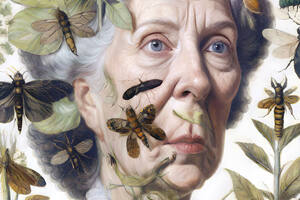
Artificial intelligence creates new possibilities, but also poses challenges for artists

Use of AI raises a number of questions about the process of artistic creation, including authorship

By Ana Paula Orlandi
Follow Us
Home About us Contact
FAPESP Agência FAPESP Biblioteca Virtual

© Revista Pesquisa FAPESP - All rights reserved.

>