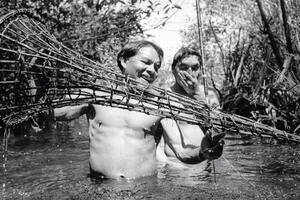
Issue # 353 _ July 2025
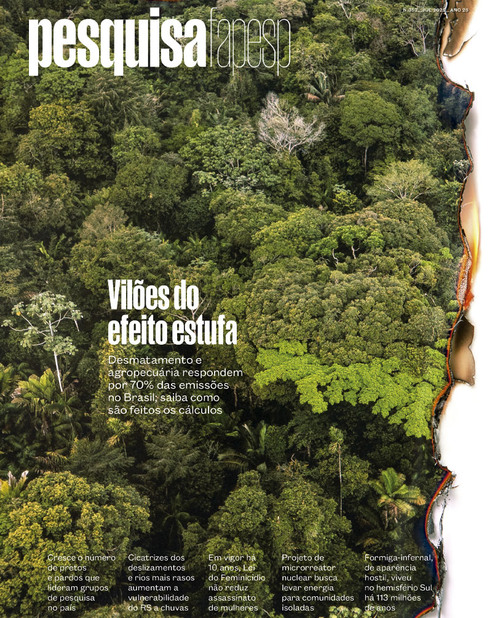
Cover
- Brazil's carbon footprint determined by deforestation and agriculture
- The two sectors account for 70% of the country’s greenhouse gases emissions By Marcos Pivetta
- Cuts to US science budgets threaten global climate research
- Discontinuation of NASA and NOAA projects monitoring the atmosphere and oceans for decades poses a major risk By Renata Fontanetto
Immunology

Vaccines protect the immunocompromised against severe forms of COVID-19
Immune cells that fight the virus compensate for failure to produce antibodies
By Giselle Soares
Ranking

New trends in trademark and patent registrations in Brazil in 2024
INPI list offers details of innovation activities
By Fabrício Marques and Yuri VasconcelosFunding

Support programs for innovative small businesses gain traction as R&D policy around the world
Inspired by the American model, these initiatives offer nonrepayable grants to small companies
By Sarah SchmidtGeosciences
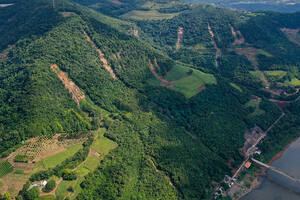
Landslide scars and shallower rivers increase Rio Grande do Sul’s vulnerability to rainfall
Millions of tons of sediment were carried from the state’s hills into its waterways
By Carlos FioravantiPublic health

Number of scorpion stings increased by 154% in Brazil from 2014 to 2023
The Southeast and Northeast regions were where the highest numbers of cases occurred
By Meghie RodriguesPhysiology

Physical exercise reduces death of insulin-producing cells
Researchers observed the effect in experimental diabetes models
By Ricardo ZorzettoBiochemistry
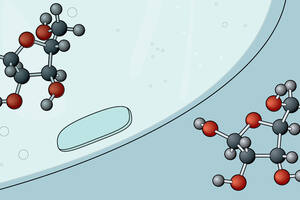
First membranes may have laid the foundations for life on Earth
Study simulates primitive cell structures and advances understanding of the origin of life
By Guilherme CostaEpidemiology

Bacteria that causes leprosy was present in the Americas before the Europeans
By Maria GuimarãesPaleontology
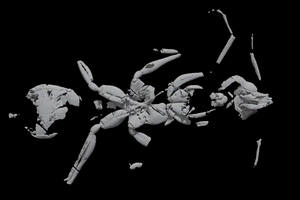
Hell ant found in the Brazilian Northeast is the oldest in the world
Insect lived 113 million years ago and had a vertical jaw, unlike current species
By Enrico Di Gregorio
Biotechnology
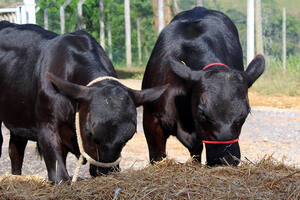
Gene editing accelerates cattle improvement
Calves with shorter hair represent the first uses of CRISPR in animal breeding
By Carlos FioravantiInnovation

New technologies to reduce water waste
Universities and companies invest in solutions for detecting leaks in water distribution networks
By Suzel Tunes