Biology
Zoology
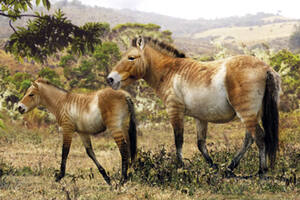
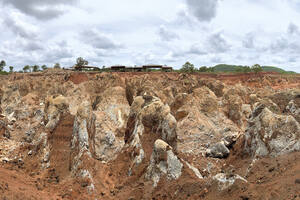
Climate caused megafauna extinction
Lack of rain accelerated extinction of megafauna in Northeast Brazil
By Redação
Agriculture
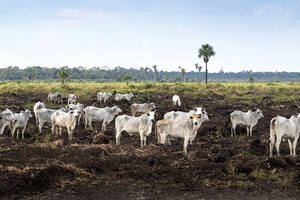
Greater exports, lower biodiversity
Increase in exports to major consumer markets contributes to biodiversity loss
By Redação
Animal behavior
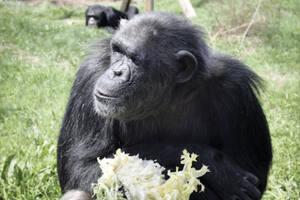
Social isolation leads to disorders
Chimpanzees raised in isolation face challenges in social interaction
By Redação
Infectious diseases

Exchanging ideas… and microbes
Social interaction facilitates exchange of microorganisms between people
By Redação
Ecology

Helping Charlotte swim
Sea turtle given weighted harness to correct syndrome that caused swimming problems
By Redação


Research itineraries

With a Biology degree, William Coelho chose music
Heading the Osesp chorus, he now splits his activities between concert halls and academia
Oceanography
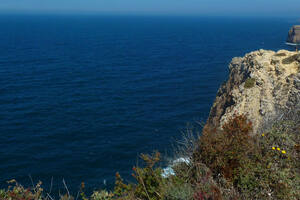
Ocean acidification on the rise
Ocean acidification nears critical threshold, threatening marine life
By Redação
Evolution

The first farmers
Tens of millions of years before the agricultural revolution, ants were already farming fungi
By Redação
Botany

Discreet and voracious
New species of carnivorous plant typical of the Cerrado and Caatinga biomes discovered in the Amazon
By Redação
Genetics

Centre for Genomics of Emerging Diseases in Nigeria
New genomics center for emerging diseases set to open in Nigeria
By Redação
Botany
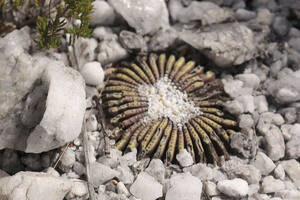
Thornless cactus lives in a burrow
New species of cactus has no thorns and grows buried among quartz
By Redação

ECOLOGY

A bacterial coating that protects amphibians
Sensitive to climate change and pollutants, frogs and toads resist toxins with the help of skin microbiota
By Laura Tercic
Biodiversity
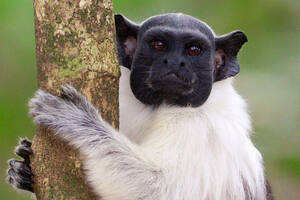
Almost 2,500 species face extinction in Brazil
Almost 2,500 species of animals and plants at risk of extinction in Brazil
By Redação
Biology

Air pollution harms pollinators more than pests
Air pollution harms pollinators more than pests
By Redação
Interview

Eliza Freire: Lizards, snakes, and prejudice
In spaces once occupied exclusively by men, Eliza Freire identified new species and uncovered new knowledge of the diversity of reptiles in Northeast Brazil
By Maria Guimarães and Carlos Fioravanti
Retrospect

Glass negatives depict science in the early twentieth century
Botanical Garden of Rio de Janeiro and other institutions preserve rare photographic collections
BIOLOGY
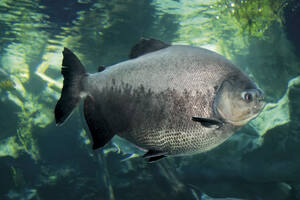
Amazonian fish sensitive to intense heat
Higher temperatures damage the tambaqui's DNA and liver and worsen the effects of pesticides
By Redação