New DNA sequencing of 2,723 people reveals greater Indigenous and African ancestry and highlights violence that marked the formation of the Brazilian population
Luiz Braga
It is no surprise to anyone that the Brazilian people are of a mixed racial background, but the details of how this story unfolded, and its consequences, are gradually being revealed by geneticists and historians. The latest study, published in the scientific journal Science in May, deepened and expanded our knowledge of Brazilians based on the DNA sequencing of 2,723 people from across the country. The results reveal a strong African and Indigenous ancestry in the maternal lineage, the legacy of widespread violence against women, as well as an unexpected number of unknown genetic variants with potential health consequences.
“It is really amazing to see in DNA what we already knew from history books,” says geneticist Lygia da Veiga Pereira of the Institute of Biosciences at the University of São Paulo (IB-USP), creator of the “DNA do Brasil” project, which aims to paint a genomic portrait of the Brazilian population by sequencing complete samples collected from all over the country. According to Pereira, until about 10 years ago, the genetic diversity of human population samples was very low, with around 80% from European ancestry, because most studies were carried out in the Northern Hemisphere. In Brazil, the focus was on the South and Southeast regions, where a lower presence of African and Indigenous ancestry was found. Investments in expanding this perspective led to the Genomas Brasil Program at the Ministry of Health’s Department of Science and Technology (DECIT), which began at the end of 2019—although the COVID-19 pandemic, which started just a few months later, put a halt to activities for almost two years.
Pereira began to take an interest in the genetic diversity of the population when she realized, approximately 20 years ago, that the discarded embryos from assisted reproduction clinics in São Paulo that she used for her stem cell research were of 90% European ancestry. It did not seem right in terms of Brazil’s makeup, but it reflected the users of the services. Meanwhile, geneticist Sérgio Pena of the Federal University of Minas Gerais (UFMG) was studying the DNA of Brazilians from various regions using the tools available at the time, which were much more limited than those in use today. In 2000, he published the results of an analysis of 200 samples from white people in Ciência Hoje and the American Journal of Human Genetics. Three in five had Indigenous or African maternal heritage, which was more than expected. The study was reported on by Pesquisa FAPESP in just its second year.
Alexandre Affonso / Pesquisa FAPESP
Pena continued to study the topic in more depth and joined forces with another group that was pioneering the study of Brazilian DNA, led by geneticist Francisco Salzano (1928–2018) of the Federal University of Rio Grande do Sul (UFRGS). Through research led by Maria Cátira Bortolini that included Tábita Hünemeier’s master’s degree, the two groups from Minas Gerais and Rio Grande do Sul realized that the African contribution was much broader than indicated by historical records on slavery, which were highly concentrated in Angola, on the west coast of the continent. The western region, where Senegal and Nigeria are located, also made a significant genetic contribution—more in São Paulo than in Rio de Janeiro, indicating asymmetries in the slave trade, according to an article published in the American Journal of Biological Anthropology in 2007 (see Pesquisa FAPESP issue n° 134). “There is no other country in the world with as much interracial mixing as Brazil,” Pena said in an interview in 2021 (see Pesquisa FAPESP issue n° 306).
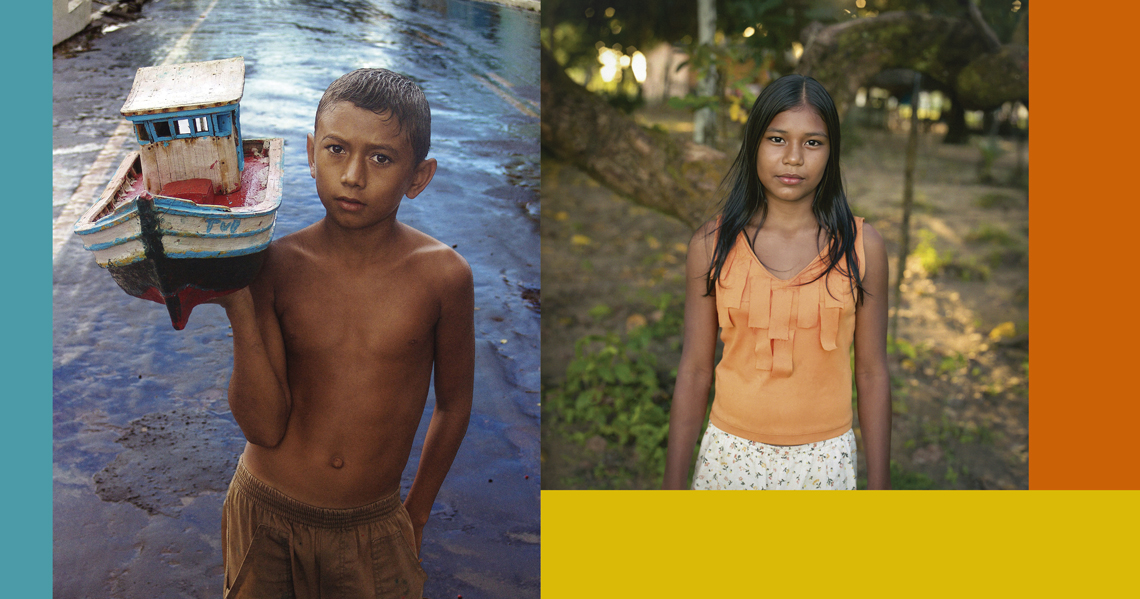
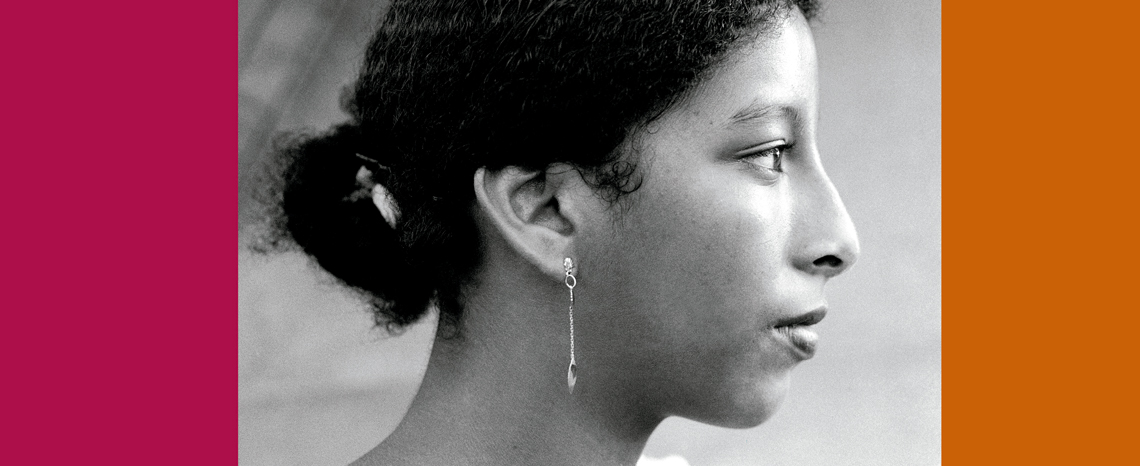
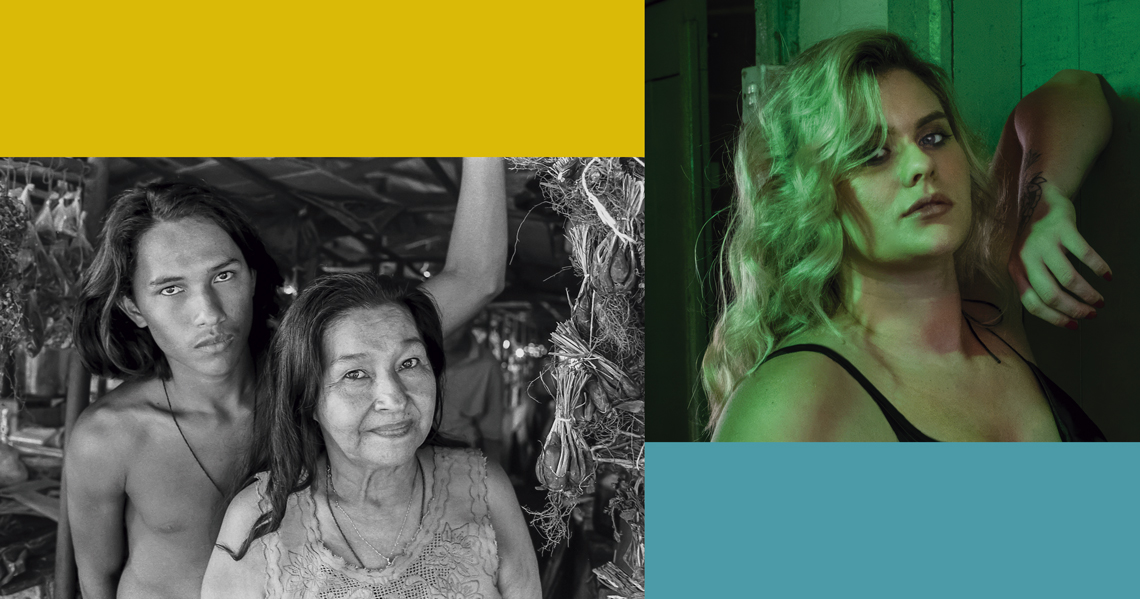
The technology has since evolved significantly, leading to the new article published in Science. The paper reveals that European heritage accounts for around 60%, while African ancestry contributes 27% and Indigenous ancestry represents 13%, in addition to the sexual asymmetry pointed out by Pena: the paternal lineage, expressed in the Y chromosome present only in men, is predominantly (71%) European. Meanwhile, the DNA of the mitochondria—the part of the cells passed down only from the mother—comprises 42% African ancestry and 35% Indigenous ancestry. “The only explanation is four centuries of various forms of violence,” summarizes Hünemeier, currently a professor at IB-USP and one of the leaders of the research. She notes that it is not uncommon to hear older people say things like “my grandmother was caught by the lasso,” without thinking about what it actually means. In more recent generations, marriage between similar ancestries has become more common. According to Hünemeier, the results help debunk the myth of racial democracy that is so often cited as part of the Brazilian identity, since interracial mixing was often something that happened without consent.
“Brazil needs to reexamine its history and stop saying that we are a country of voluntary interracial harmony,” adds USP historian Maria Helena Machado, who did not participate in the study. “Our mother is African, our grandmother is Indigenous, and our grandfather is a European who had illegitimate children with her out of wedlock.” Machado is an expert in gender and motherhood during slavery, a system that spanned the entire colonial period and the empire. In 2024 she published the book Geminiana e seus filhos: Escravidão, maternidade e morte no Brasil do século XIX (Gemini and her children: Slavery, motherhood, and death in nineteenth century Brazil; Bazar do Tempo) in partnership with historian Antonio Alexandre Cardoso of the Federal University of Maranhão. “Enslaved women—Indigenous or African—were at the service of their enslavers, making harassment and rape commonplace,” he states.
Luiz Braga
Women were thus doubly enslaved, forced into being workers and reproducers. “The very bodies of enslaved women were colonized.” Machado explains that Portuguese colonial policies and the policies of Brazil as an independent country from 1822 onwards always encouraged racial mixing and whitening. For example: In 1823, as a member of the constituent assembly, José Bonifácio de Andrada e Silva (1763–1838) argued for the formation of Brazilian people through marriages between White men and Afro-descendant or Indigenous women. The approach was part of a “civilizing” project in which the Black population would be integrated into the European population. With slavery continuing until 1888, however, enslaved women remained subject to those who had control over their bodies. “All of this led to the situation that geneticists now describe,” Machado concludes.
The wide diversity of African ethnicities, as Hünemeier has noticed since the beginning of her scientific career, is also interesting. People who would never have met in Africa because they lived in countries and communities separated by great distances were forcibly placed on the same slave ships and grouped together in slave labor. The objective was to group people from different cultures who did not even speak the same language, to minimize the risk of them organizing to fight back against their “masters.” The result is an amalgamation of an entire continent, which can only be found in Brazil. “It is the country with the most African ancestry outside of Africa,” says the geneticist.
In addition to the initial influx of Portuguese from the sixteenth century onwards, European diversity is also high, with a significant flow of immigrants from Germany and Italy in the nineteenth and twentieth centuries, as well as from other countries in lower amounts. One interesting data point was 10 descendants of Japanese people sampled in São Paulo who showed no signs of interracial mixing, thus revealing a highly restricted and recent contribution to the genetic makeup of the national population.
Luiz Braga
The article describes the colonization of the Americas as the largest population displacement in human history. In Brazil, some five million Europeans and five million Africans were transplanted to the region, which until then was populated by roughly 10 million Indigenous people who spoke more than 1,000 different languages. These peoples were decimated, suffering a population decline of 83% in the interior of the country and 98% on the coastline between the year 1500 and the present day.
“We expected to find new genetic variants, but the results went far beyond that,” says geneticist Kelly Nunes, who analyzed the data during her postdoctoral fellowship in Hünemeier’s laboratory at IB-USP, alongside three other colleagues with whom she shares the position of lead author of the article: Marcos Castro e Silva, Maira Ribeiro, and Renan Lemes. Variants are differences in a person’s sequence relative to the reference genome. “We detected 78 million variants, of which almost nine million were not recorded in any other database.” It became clear that the DNA of the Brazilian population includes a sample of populations that have been neglected from a genomic point of view, especially Africans and Indigenous South Americans. In the near future, with more sampling, it will be possible to better determine the scale of this source of genetic novelties. “We established partnerships to obtain samples from all five Brazilian regions, which gave us greater access to African and Indigenous ancestry,” explains the researcher.
Approximately 36,000 of the nine million new variants described appear to have harmful effects by generating anomalies in their respective proteins—loss of function, for example—and may be associated with diseases such as cancer, metabolic dysfunction, or infectious diseases. “What we discover about these variants can be extrapolated to peoples that have not been sampled, such as those on the African continent,” proposes Nunes. Knowledge of ancestry and how propensities for certain diseases are distributed across the genome and populations of the world can help make access to precision health more equal, as detailed in the article that follows this one on page 18.
Luiz Braga
When analyzing genes with signs that they were favored by natural selection (those that occur more frequently than would be expected randomly), many of those identified were linked to fertility or the number of children generated, with origins in European ancestry. This trait clearly had benefits during the colonization process, during which the Portuguese who settled here quickly increased their presence. Immune response genes of African origin also showed signs of natural selection, reflecting the history of a broad range of pathogens.
The results also offer genetic clues on metabolic diseases concentrated in Indigenous ancestry, apparently linked to gradual changes in eating habits. “We started eating processed foods, which creates an environment of natural selection for certain genes,” explains Nunes.
Alexandre Affonso / Pesquisa FAPESP
One of the study’s challenges was the data analysis, which relied on cloud computing infrastructure provided by Google. “In Brazil, there were no professionals qualified to deal with this volume of information,” says the geneticist, who claims to have learned a lot from the project, which also trained many other people. Another 7,000 genomes have already been sequenced, expanding the search for representation. The authors promise there will be new results soon.
Similar initiatives in other countries in the region could also contribute to our understanding of South American history. “We detected a specific component of pre-Columbian genetic ancestry, present mainly in central-western Argentina,”, Argentine geneticist Rolando González-José, a researcher at the Patagonian National Center (CENPAT) and head of the Argentine Population Genome Reference and Biobank Program (POBLAR), who is not participating in the USP project, told Pesquisa FAPESP by email. “Long-held assumptions about population dynamics in the post-contact period do not sufficiently explain the evolutionary history underlying genetic diversity in modern Argentine populations.” Collaborations with Brazilian scientists, in his opinion, can bear fruit.
The story above was published with the title “European father, African or Indigenous mother” in issue 352 of April/2025.
Project Tracking evolutionary changes in pre- and post-contact Americas using time-series genome data (n° 21/06860-8); Grant Mechanism Young Investigator Award – Phase 2; Principal Investigator Tábita Hünemeier (USP); Investment R$1,358,298.83.
This article may be republished online under the CC-BY-NC-ND Creative Commons license. The Pesquisa FAPESP Digital Content Republishing Policy, specified here, must be followed. In summary, the text must not be edited and the author(s) and source (Pesquisa FAPESP) must be credited. Using the HTML button will ensure that these standards are followed. If reproducing only the text, please consult the Digital Republishing Policy.