Freshly graduated from the School of Medicine, later incorporated into the University of São Paulo (FM-USP), Antônio Prudente de Meireles de Morais (1906–1965) traveled to Germany in 1928 to specialize in plastic surgery. His goal was to master new techniques for treating marks left by skin tumors under the guidance of surgeon Franz Keysser (1885–1942), a pioneer of electrosurgery—the use of an electric scalpel to remove tumors once deemed inoperable and to cauterize tissue, preventing infection. At the time, Europe was witnessing scientific breakthroughs related to radioactivity and X-rays, opening new possibilities for the treatment of cancer, still a largely mysterious disease.
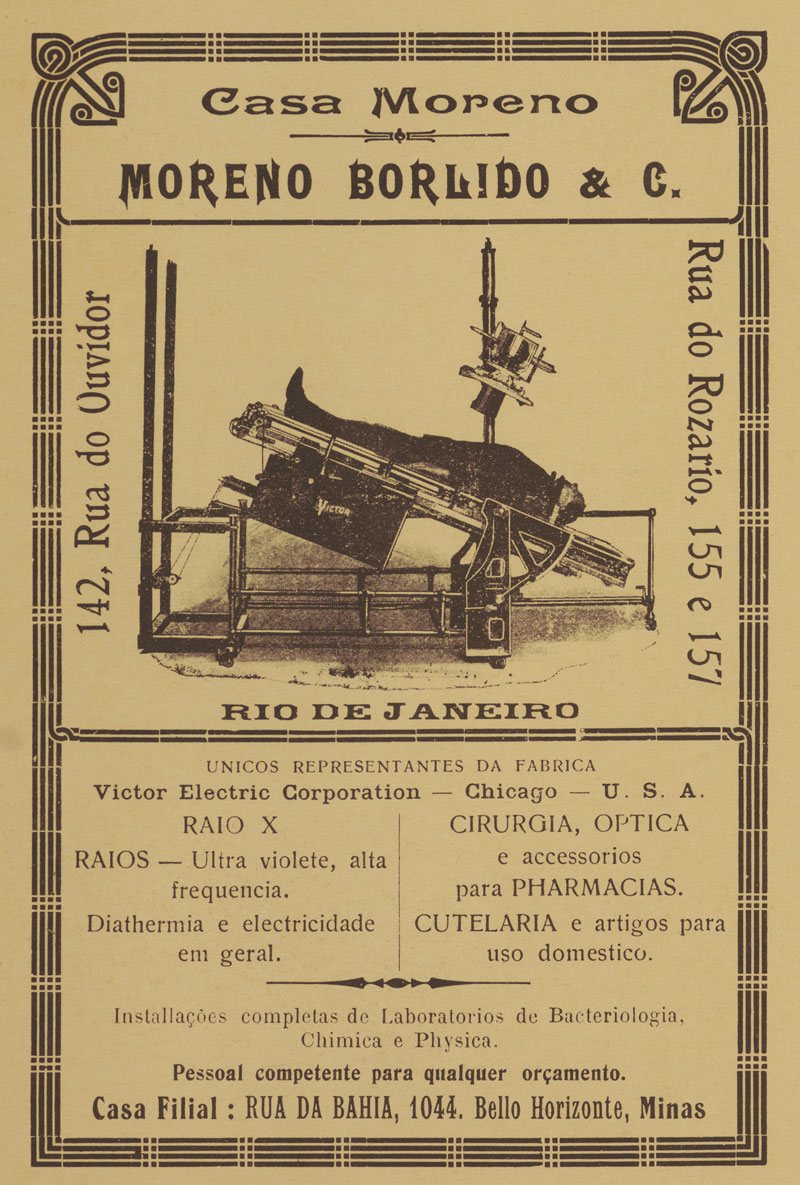
INCAAdvertisement for X-ray treatment using equipment imported from Europe, late nineteenth centuryINCA
When Prudente returned to Brazil three years later, he brought with him an electric scalpel and fresh ideas for improving cancer care. In Belo Horizonte, the capital of Minas Gerais, the Radium Institute, founded in 1922, had already become the first medical center in Brazil to use radiotherapy, built with support from the state government (see Pesquisa FAPESP issue n° 230). In Rio de Janeiro, physician Mário Kröeff (1891–1983) established the Cancer Center of the Federal District Hospital Assistance Service in 1937, which would later evolve into the National Cancer Institute (INCA). In São Paulo, as in many other states, patients with cancer were still treated by the same Health Service teams responsible for managing leprosy and venereal diseases, since cancer was then considered contagious.
Over the following decades, Prudente developed a groundbreaking approach: he spearheaded a large-scale public fundraising campaign to build a hospital funded directly by the population. It would become the first institution in Brazil to integrate medical care, research, teaching, and public education about cancer. Until then, hospitals had typically been linked to the government, religious groups, or immigrant communities.
Prudente’s vision aligned with the prevailing sentiment in São Paulo at the time. In an article published in História, Ciência, Saúde – Manguinhos (December 2024), historians Elder Al Kondari Messora and André Mota, from FM-USP, highlighted how the state’s strategy for combating cancer reflected São Paulo’s broader pursuit of autonomy from the federal government. This was the same motivation that fueled the Constitutionalist Revolution of 1932, when São Paulo took up arms against the centralization of power under Getúlio Vargas (1930–1934).
“The implementation of new strategies to combat cancer, like the architecture and literature of the early twentieth century, expressed São Paulo’s desire for an independent voice,” says Messora, who earned his PhD on the history of cancer in São Paulo under Mota’s supervision in April.
After returning to São Paulo, Prudente joined the FM-USP faculty as an assistant professor and began writing for popular publications to build public support for his ideas. “From the 1920s onward, cancer began appearing in newspapers and statistical yearbooks,” Messora notes.
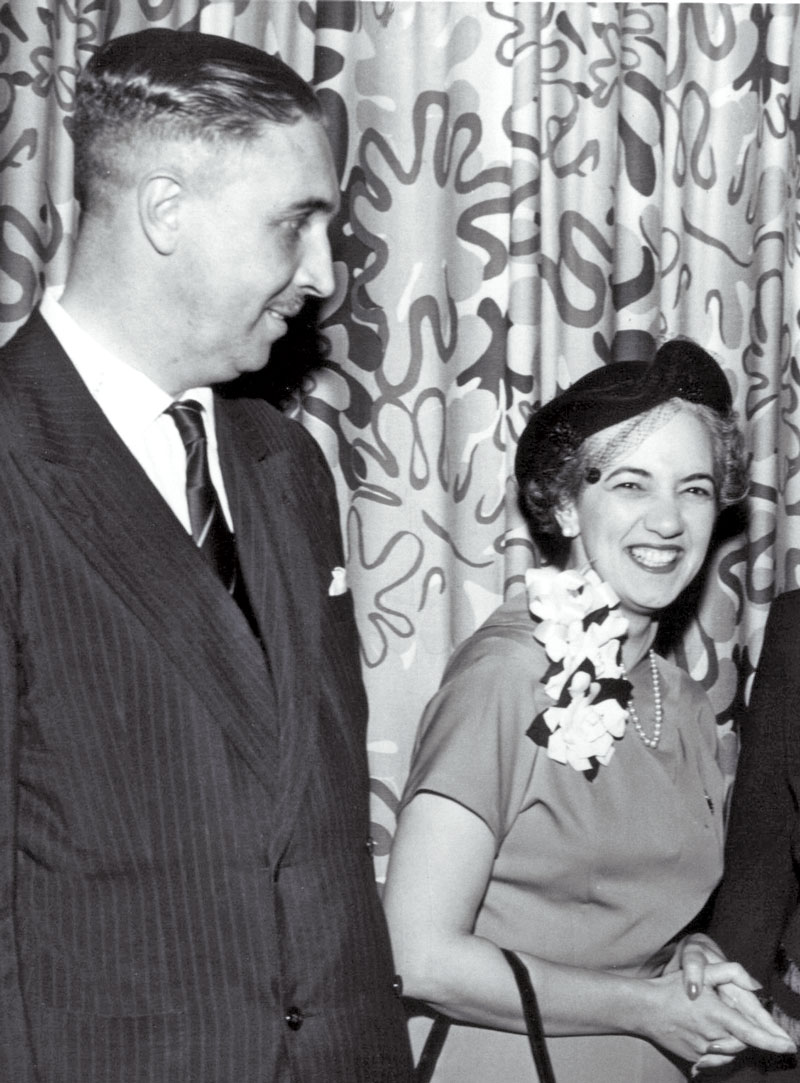
A.C.Camargo HospitalCarmen and Antônio Prudente in 1938A.C.Camargo Hospital
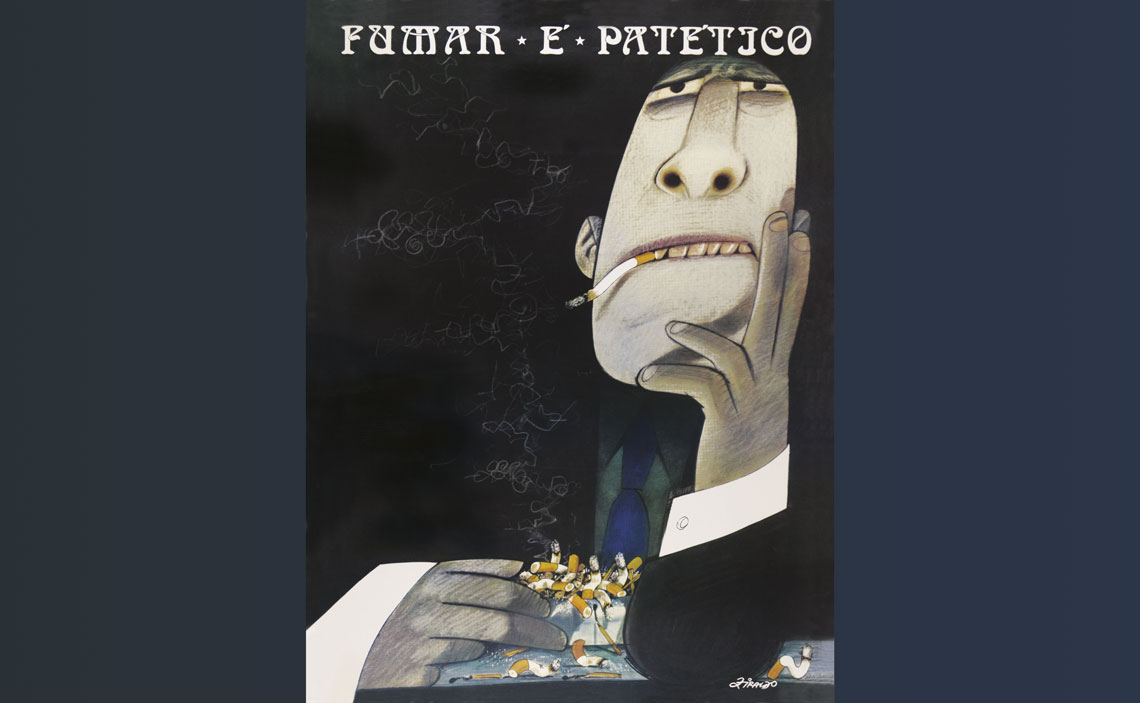
On October 31, 1933, O Estado de S. Paulo published the first in a series of five articles—later compiled in the 1935 book O câncer precisa ser combatido (Cancer must be fought)—in which Prudente raised public awareness about the disease, until then discussed only among doctors. He emphasized early diagnosis and treatment, and called for educational campaigns to inform the population about risk factors such as smoking.
Prudente argued that the federal government should coordinate state-level initiatives and maintain a centralized system for data collection, while São Paulo’s state authorities would manage healthcare infrastructure. He advocated for a system that ensured early detection, access to appropriate treatment techniques, investment in scientific research, and the systematic registration of cancer cases. According to Prudente, this should all be supervised by a central inspectorate, modeled on Brazil’s existing leprosy control framework.
After several unsuccessful attempts to gain public support for his proposal, Prudente decided that the best way to generate effective action would be to create what was then called a league against cancer. In 1935, he founded the São Paulo Association for the Fight Against Cancer (APCC), led by his former professor at FM-USP, Antônio Cândido de Camargo (1864–1947). Forming associations was a relatively common way to promote educational campaigns and raise funds through philanthropy, compensating for the inability of public authorities to address the issue. In 1936, Bahian physician Aristides Maltez (1882–1943) created the Bahian League Against Cancer, obtained donations from Salvador’s elite supplemented by state government funds, and began building a hospital that would open in 1952 and remains one of Bahia’s leading cancer institutions today.
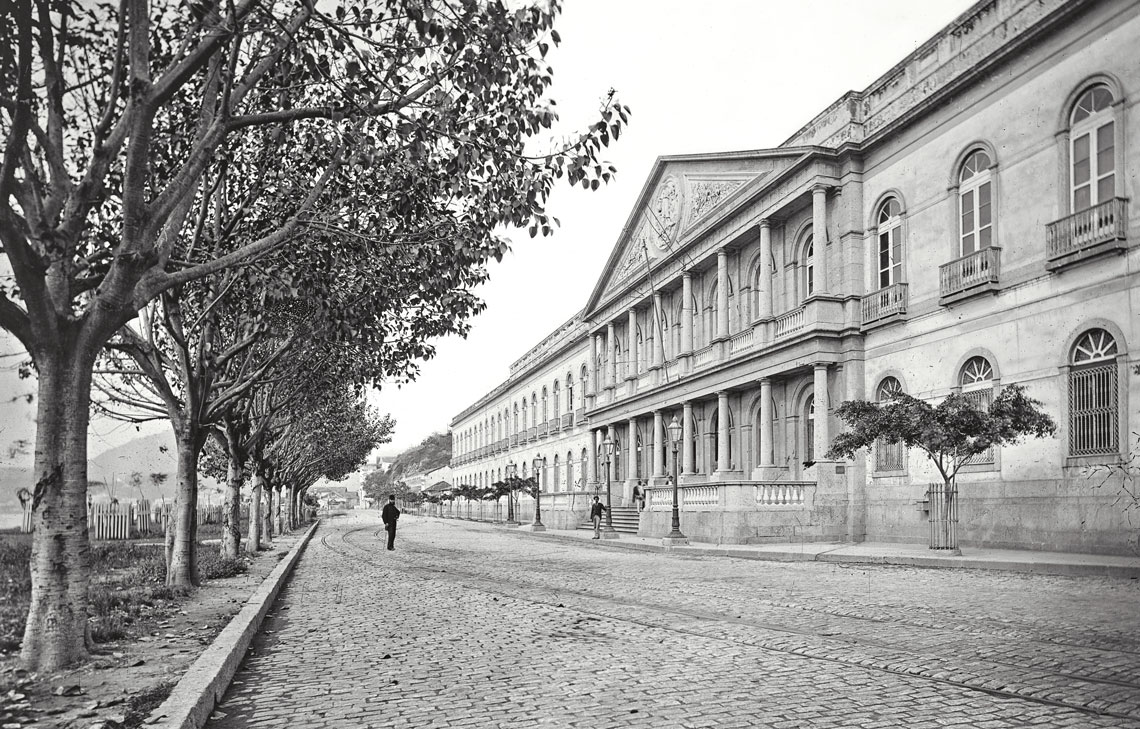
Marc Ferrez / Moreira Salles Institute archive / TEIXEIRA, L. A. et al. O Câncer No Brasil. 2012 Santa Casa da Misericórdia, one of the first places to treat cancer patients in Rio de Janeiro, circa 1895Marc Ferrez / Moreira Salles Institute archive / TEIXEIRA, L. A. et al. O Câncer No Brasil. 2012
According to Messora, what distinguished the APCC from other leagues was the intense popular participation and the mobilization skills of journalist Carmen Annes Dias (1911–2001) from Rio Grande do Sul, who would also change Antônio Prudente’s life. They met in 1938 aboard a ship carrying a delegation of Brazilian doctors to Germany. She was secretary to her father, Heitor Annes Dias (1884–1943), Getúlio Vargas’s personal physician. They married that December in Rio de Janeiro.
Determined to help her husband establish a hospital dedicated to the diagnosis and treatment of cancer in São Paulo, Carmen launched the first fundraising initiatives in 1940, organizing cultural festivals and enlisting the support of women from São Paulo’s high society. In 1946, she founded the Women’s Network Against Cancer, which in just three months raised 7.5 million cruzeiros—nearly 20,000 times the minimum wage at the time.
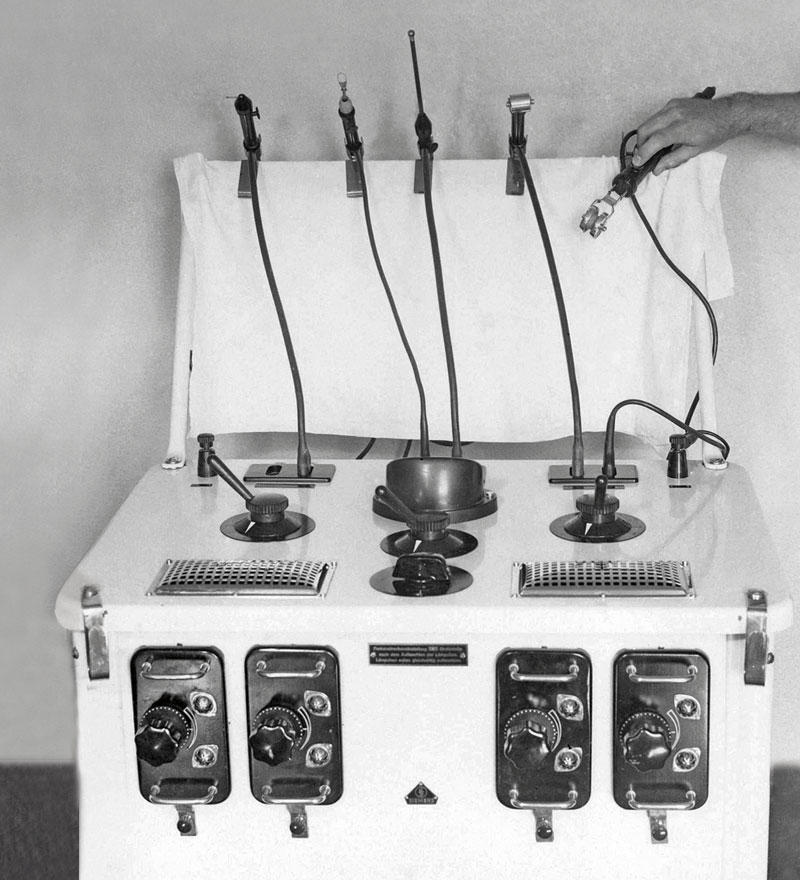
Mário Kröeff Fund / COC/FIOCRUZ / INCA / TEIXEIRA, L. A. et al. O Câncer No Brasil. 2012Electrosurgical device developed in Germany and later improved in BrazilMário Kröeff Fund / COC/FIOCRUZ / INCA / TEIXEIRA, L. A. et al. O Câncer No Brasil. 2012
Meanwhile, Rio de Janeiro, the federal capital, advanced more quickly by creating the National Cancer Service (SNC) in 1941, which brought the disease onto Brazil’s national public health agenda. “The creation of the SNC was the result of very strong political action, since the incidence of cancer in Brazil was very low at that time,” notes historian Luiz Antônio Teixeira, from Casa Oswaldo Cruz (COC) at the Oswaldo Cruz Foundation (FIOCRUZ), one of the coordinators of the book Cancer in Brazil: Past and Present (Outras Letras, 2012). Because of his work in the field, Kröeff was appointed the first director of the SNC, a position that Prudente himself would hold twice during his career.
In São Paulo, Prudente sought partnerships to put his ideas into practice. His first workplace was the so-called Japanese Hospital, established in 1920 in Vila Mariana by the Japanese government to provide medical care for immigrants who faced language barriers. It was seized by the Brazilian government in 1939, after diplomatic relations between the two countries were severed during World War II. In 1946, at the then-renamed Santa Cruz Hospital, Prudente established a tumor clinic, which was likely the first in the state capital.
Carmen’s campaigns encouraged everyone to contribute whatever they could. Humberto Torloni (1924–2017) was a medical student when he visited factories and textile mills in the Brás neighborhood, where he taught night classes. He explained that anyone who donated the equivalent of a day’s wages would receive free cancer treatment once the hospital was operational. “I also went through the school network, talking to teachers, the principal, and the children,” he recalled in a 2014 interview (see Pesquisa FAPESP issue n° 216). “That effort cost me three semesters, because I had to study, work at night, and still collect money.” With what he raised, Torloni earned one of the positions offered to residents.
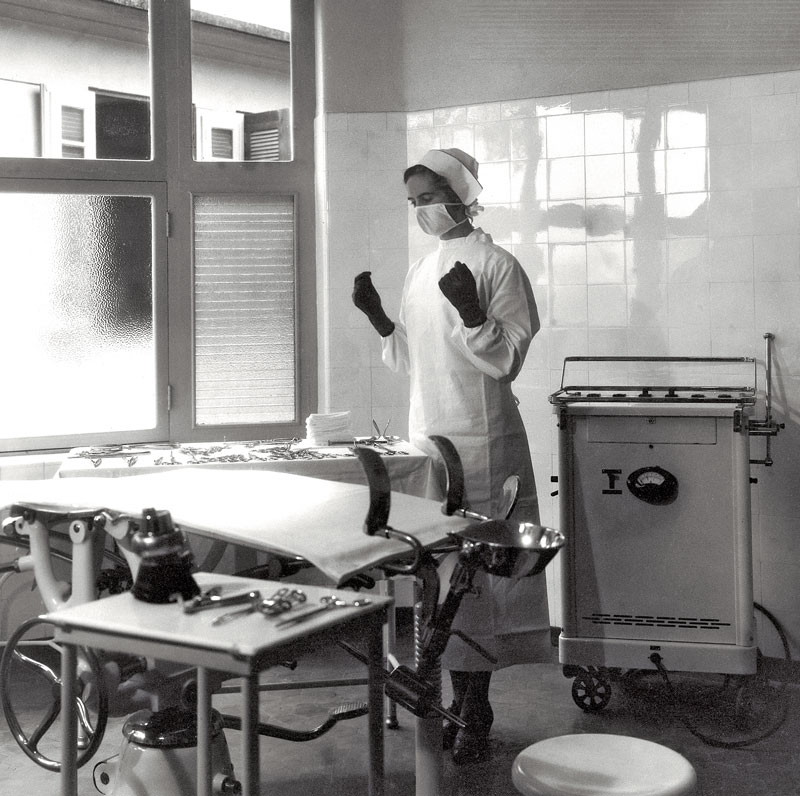
2 Mário Kröeff Fund / COC/FIOCRUZ / INCA / TEIXEIRA, L. A. et al. O Câncer No Brasil. 2012 Operating room at the National Cancer Service in Rio de Janeiro in the 1950s2 Mário Kröeff Fund / COC/FIOCRUZ / INCA / TEIXEIRA, L. A. et al. O Câncer No Brasil. 2012
Designed by architect Rino Levi (1901–1965), one of the foremost figures in Brazilian modernist architecture, construction of the Antônio Cândido Camargo Hospital, soon to be known as A.C.Camargo, began in 1948 on land donated by the state government in São Paulo’s Liberdade neighborhood. In April 1953, the hospital opened its doors with a clinical staff of 92 specialists, including physicians, surgeons, radiotherapists, and laboratory technicians.
However, the dream of full autonomy from the government was short-lived. As Messora recounts in an article published in December 2021 in the Brazilian Journal of History of Science, Prudente soon faced financial difficulties. In November 1956, he obtained a Cr$28 million donation from the federal government to continue providing free care for low-income patients. Two years later, he was forced to close a third of the beds reserved for nonpaying patients due to irregular government transfers. “Later, he had to seek the help of President Juscelino Kubitschek [1902–1976], who forgave the hospital’s public debts,” says Messora. By November 1961, the hospital had become a complementary teaching institution affiliated with the University of São Paulo (USP).
“In the early years, the main cancer treatment was surgery—often extensive—because there were no other effective methods available,” recalls surgeon Ademar Lopes, 79, who joined the hospital in 1974 shortly after graduating from the Federal School of Medicine of Triângulo Mineiro, in Uberaba, Minas Gerais, and was later invited to stay on as staff.
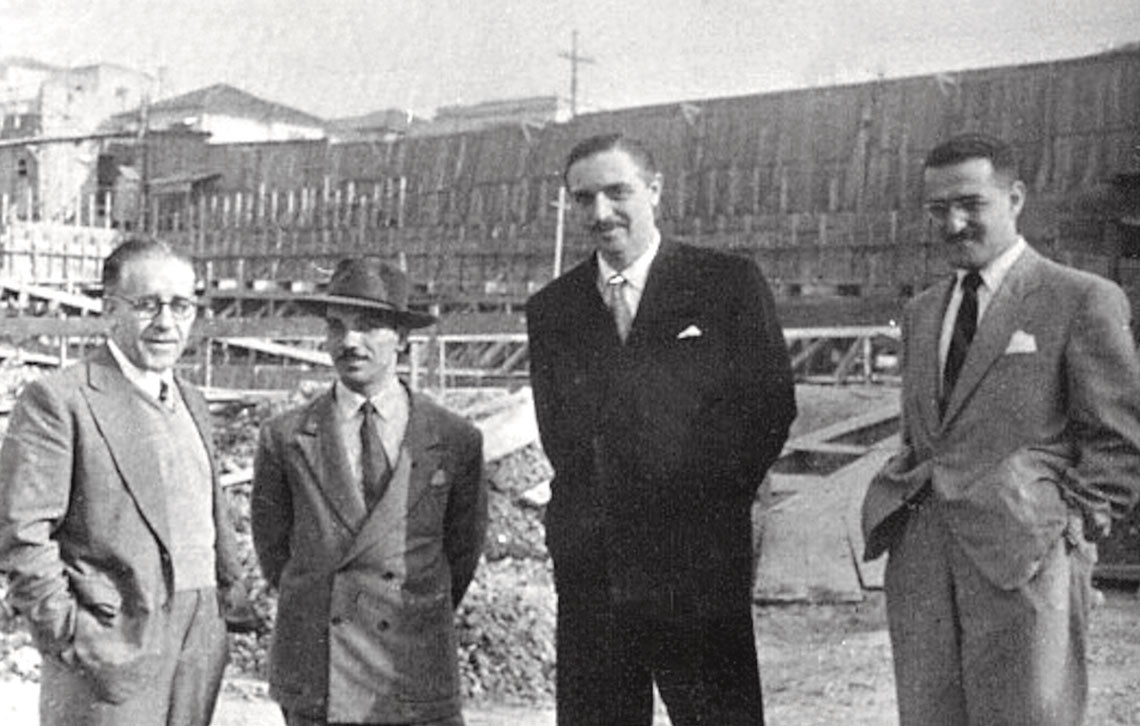
A.C.Camargo HospitalRino Levi (first from left) and Prudente (third) alongside two unidentified men in front of the A.C.Camargo Hospital construction siteA.C.Camargo Hospital
Lopes never met Antônio Prudente, who died in 1965 at the age of 59 in Rio de Janeiro from complications related to diabetes, but he did know Carmen. “She called us residents ‘the boys,’” he remembers. He also recalls that when funds were low, she would personally approach business leaders and potential donors to keep the hospital operating.
Renamed the A.C.Camargo Cancer Center in 2013, the institution has grown into one of Brazil’s leading centers for cancer care, education, and research. In 2025, its specialists began collaborating with teams from public hospitals to remotely train doctors, aiming to accelerate cancer diagnosis across the country.
“The most important step in fighting cancer is still early diagnosis and the immediate initiation of the most appropriate treatment,” Lopes emphasizes. Nearly a century later, the concerns of Prudente, Kröeff, and other pioneering physicians remain just as relevant (see interview on page 22).
The story above was published with the title “The dream of autonomy” in issue 356 of October/2025.
Scientific articles
MESSORA, E. A. K. et al. “Plano Prudente”: Um projeto paulista de combate ao câncer para o Brasil, 1934–1954. História, Ciência, Saúde – Manguinhos. Vol. 31, e2024060. Dec. 2024.
MESSORA, E. A. K. et al. As disputas e controvérsias na cancerologia paulista na primeira metade do século XX: O Instituto Paulista de Pesquisa sobre o Câncer. Revista Brasileira de História da Ciência. Vol. 14, no. 2. Dec. 8, 2021.
TOMAZELLI, J. G. & SILVA, G. A. Rastreamento do câncer de mama no Brasil: Uma avaliação da oferta e utilização da rede assistencial do Sistema Único de Saúde no período 2010–2012. Epidemiologia e Serviços de Saúde. Vol. 26, pp. 713–24. Oct.–Dec. 2017.
Books
TEIXEIRA, L. A. et al. O câncer no Brasil: Passado e presente. Rio de Janeiro: Outras Letras, 2012.
TEIXEIRA, L. A. & FONSECA, C. O. De doença desconhecida a problema de saúde pública: O Inca e o controle do câncer no Brasil. Rio de Janeiro: Ministério da Saúde, 2007.