History
History
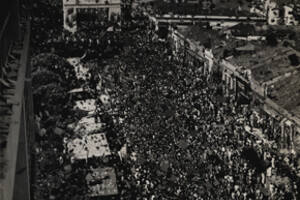
The past that intrudes into the present
Collection compiles articles by historians to a broader audience
By Carlos Haag
History

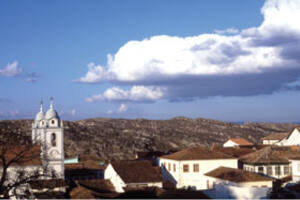
The patriarch of science
José Bonifácio were marked by the bond between statesman and naturalist
By Carlos Haag
DIPLOMACY

The undesirables
Estado Novo dictatorship concealed a project to “whiten” Brazil
By Carlos Haag
Cover
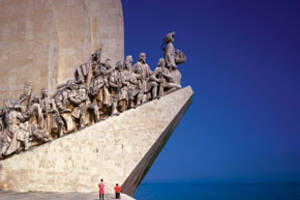
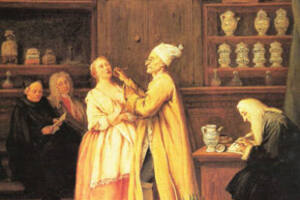
An Immense Portugal
Portuguese Empire granted freedom to local elites in order to sustain itself
By Carlos Haag
Memory
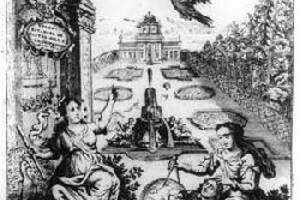
Under the skies of Bahia
Valentin Stansel’s astronomy observations were mentioned in Newton’s Principia
By Redação

pragmatic dilemma
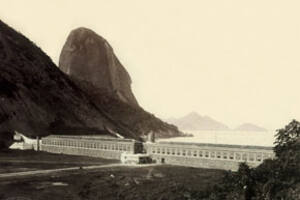
Between theorems and railways
Debate on positivist mathematics led to pure science in Brazil
By Carlos Haag
Protectionism
An industry in the shadows
The Argentine motion picture industry, unlike the Brazilian, went commercial
By Carlos Haag

Dictatorship

Forbidden pages
List of books censored after the AI-5 act reveals criteria of the confiscation
Cover
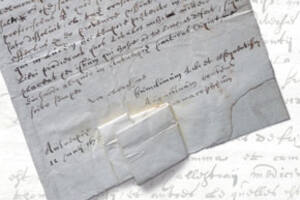
An inconvenient pinch of magic
Researchers discover alchemy powder in an archive at the Royal Society
By Carlos Haag
History of Science

On the shoulders of magic giants
The process of transforming alchemy into chemistry was long and smooth
By Carlos Haag

Rockefeller Foundation

A country is made out of people, health and illnesses
Foreign eradication programs influenced Brazil's construction
By Carlos Haag

History of science
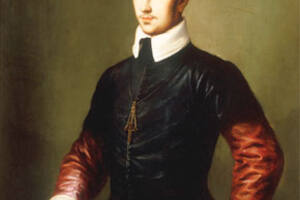
Even so, sound moves
Galileo's father influenced his son in the search for experimental truth
By Carlos Haag
Foreign affairs
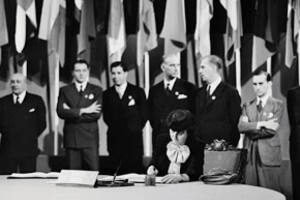
Dance of the wheelchairs at the United Nations
The idea of Brazil on the Security Council came from the US
By Carlos Haag

Spices
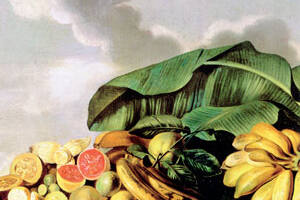
What do you hunger for?
Eating habits help understand the dynamics of relations in colonial Brazil
By Carlos Haag


Fabrics of history

The clothes that Brazilians wore during the ‘coffee with milk’ part of their history
What the First Republic hid beneath its clothes
Expedition

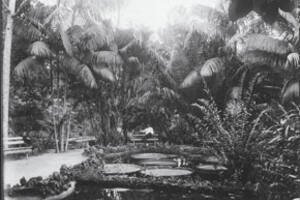
Science to create a nation
Rondon Commission naturalists helped to formalize scientific research
By Carlos Haag

Archaeology
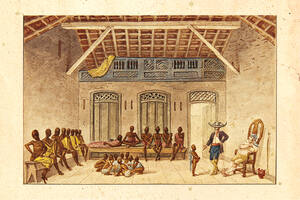
Silent discourse of the slaves
Remains of Africans slaves were found in the center of Rio de Janeiro
By Redação
Memory
Pragmatic science
The first state laboratory for chemical analyses was established 200 years ago