Highlights
Research during the quarantine

“I began valuing my personal relationships more during the pandemic”
Oceanographic research is heavily dependent on fieldwork and, to a large extent, on laboratory and on-board work. In March, with the prospect of a lockdown looming on the horizon, activities at USP [University of São Paulo] were suspended, as well as our field trips. This was the main impact of the pandemic on my work... View Article



COVID-19
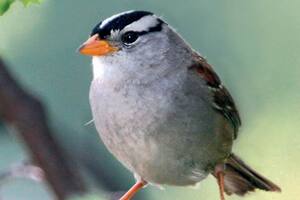
Bird sings at lower volume in quiet city
During the pandemic, the white-crowned sparrow's singing returned to the volume it sang at in the 1970s
By Redação
COVID-19
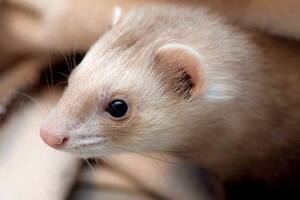
Nasal spray prevents infection in ferrets
A nasal spray tested on ferrets prevented absorption of SARS-CoV-2 and for a period of 24 hours, prevented them from becoming infected with the novel coronavirus when exposed to animals known to be affected by the pathogen
By Redação
COVID-19

Preexisting antibodies against SARS-CoV-2
Antibodies against other varieties of coronavirus are in some cases capable of recognizing SARS-CoV-2 and providing some degree of protection to those who have not yet contracted the COVID-19 pathogen
By Redação
COVID-19
Higher risk of premature birth
Pregnant women infected with the novel coronavirus are at greater risk of giving birth prematurely
By Redação
COVID-19

Restaurants spread infections in the United States
A study suggests that the majority of novel coronavirus infections recorded between March and May this year occured in restaurants in metropolitan areas in the USA
By Redação
Ecology
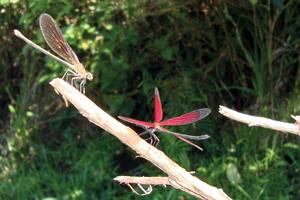
Under the female gaze
Males with brightly colored wings attract more females to their territory, as well as more rival males, sparking a fierce competition for mating partners
By Redação
Chemistry

Signs of life on Venus fade
Venus was the center of attention in September when Jane Greaves of Cardiff University, UK, and her colleagues published a paper in Nature Astronomy on the high concentrations of phosphine gas (PH3) detected in the planet’s atmosphere
By Redação
Archaeology

Neanderthals were weaned at 6 months
New evidence suggests that the weaning age and growth rate of newborn Neanderthals were similar to modern humans
By Redação
Zoology
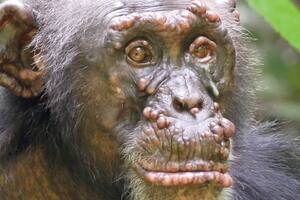
Leprosy in wild chimpanzees
Photos taken in 2017 are the first record of wild chimpanzees with lesions indicative of leprosy on their faces and other parts of their bodies
By Redação