Bacteria in tattoo inks
May 9, 2025 3:03 pmTattoo inks and permanent makeup may contain bacteria
Tattoo inks and permanent makeup may contain bacteria
Ultra-thin, flexible perovskite solar cells could be printed onto bags, cellphones, and cars
New species of carnivorous plant typical of the Cerrado and Caatinga biomes discovered in the Amazon
High-fat diets increase risk of high cholesterol in young people
Fossil marks suggest humans ate animals around 21,000 years ago
New genomics center for emerging diseases set to open in Nigeria
Sugar produced by the body could help tackle baldness
Science communicators ordered to take down video debunking false information about diabetes treatment
Five cities in the Philippines are sinking
Breeding animals for fur production may increase likelihood of viruses being transmitted to humans
In October 1999, Notícias FAPESP, a newsletter dedicated to the foundation’s work, was transformed into the magazine Pesquisa FAPESP, which... View Article
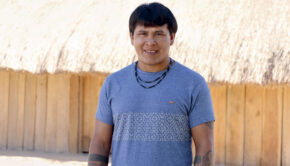
Anthropologist Autaki Waurá, a member the Wauja ethnic group, tracks down ceramics produced by his people in museums around Brazil and abroad
Fiber-reinforced carbon matrix, used in brakes for large machinery, produced in a laboratory
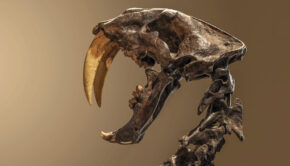
Towards the end of the eighteenth century, scientific analyses began to displace the religious view of the animals that lived millions of years prior

Delfim Netto innovated in academia, ran the economy during the dictatorship, and held influence after redemocratization

Studies investigate topics such as the recruitment of enslaved people, the role of women, and life in the camps

Study suggests that Pará is being used to legalize gold mined illegally in other states
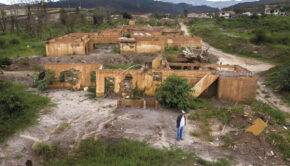
Extraction of minerals needed for the energy transition aggravates disputes over land ownership and water access in Brazil

Agricultural waste could reduce costs and make meat grown from animal cells even more similar to conventional meat
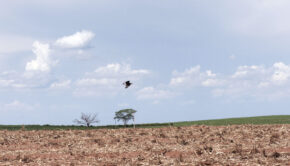
Good cultivation practices can reduce carbon emissions in the field

Sociologist from Guinea-Bissau discusses loss of arable land and rising food insecurity due to impact of climate change in West Africa

Fossilized feces contain traces of parasites that can still infect animals
Greening was one of the main causes of a 25% drop in yield in the last harvest

Brazilian study suggests H5N1 virus has spread among sea lions in South America
The compound proved safe and prevented 67.3% of those immunized from developing symptoms of the disease

New strain multiplies rapidly and could facilitate transmission
Increase coincides with periods of domestic and global economic crisis

Experts attribute recovery to measures implemented at a municipal level and by other spheres of government
Drop in number of scientific articles published worldwide

Biologist reveals flaws in academic metrics by attributing fake studies and manipulated citations to his family pet