Redação
COVID-19
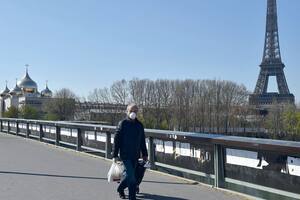
Lockdown and the city air
The strict social distancing measures adopted by governments to try to contain the spread of the pandemic have improved air quality in some of the world's major cities
By Redação
Biodiversity

Damage beyond deforestation
Fragments of Atlantic Forest have already lost 23–42% of their biodiversity and forest carbon stocks
By Redação
Astronomy

A galaxy destined to fade
Astronomers observed a galaxy ejecting immense quantities of cold gas, enough to form 10,000 new stars the size of the Sun every year
By Redação
Physics

Plasma can desalinate seawater
Experiments demonstrated for the first time the possibility of using plasma to accelerate the formation and precipitation of salt crystals from seawater
By Redação
Public policies

Scientists return to key posts in US government
Joe Biden, the new president of the USA, nominated geneticist Eric Lander as chief science advisor and director of the Office of Science and Technology Policies
By Redação
Neuroscience
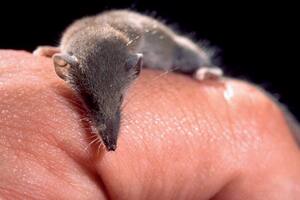
Brains shrink to save energy
In adverse conditions, such as when it is cold or food is scarce, the brain of some rodents shrinks in size, helping to conserve energy
By Redação
Environment

Lakes to lose ice cover by 2100
Some 5,700 lakes in the northern hemisphere are expected to lose their ice cover during the winter by the end of the century
By Redação
Archaeology
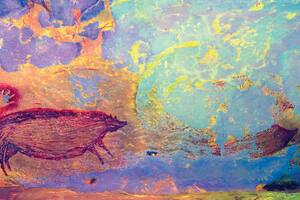
The oldest art
A scene portraying pigs native to Indonesia could be the oldest figurative painting attributed to modern humans ever found.
By Redação
Good practices

Recognizing diversity in research
Cell Press has adopted an innovative policy to encourage diversity and inclusion in scientific research
By Redação
Good practices

Rewards for publishing lead to distortions in South Africa
A survey of 967 researchers from South Africa arrived at an ambiguous conclusion
By Redação
Photolab

The phoenix tree
Like the mythical bird that rises from the ashes, the andira tree sprouts from the ground after wildfires in the Cerrado
By Redação
Video
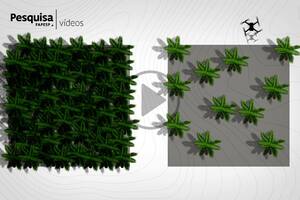
How drones chart forest biodiversity
Unmanned aerial vehicles are used to monitor tropical forests in a speedy, efficient and detail-rich manner | 4'34
By Redação
COVID-19

First cases of reinfection confirmed in Brazil
On December 9, Brazil’s health authorities officially confirmed the country’s first proven reinfection by SARS-CoV-2
By Redação
COVID-19
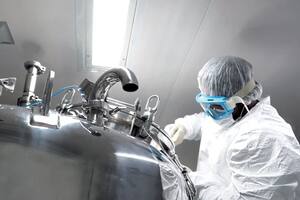
Butantan develops serum for the novel coronavirus
The Butantan Institute has completed development of a serum to combat SARS-CoV-2
By Redação
COVID-19
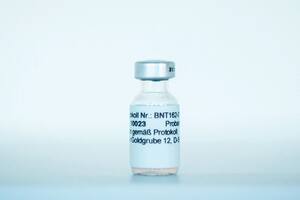
Unequal access
Even before efficacy data for the vaccine candidates was released, it was clear that there will not be enough supply to immunize the entire global population before the end of next year
By Redação
COVID-19
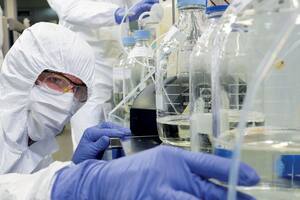
Australia gives up on vaccine candidate
A vaccine being developed by the University of Queensland and biotechnology company CSL, both from Australia, is the first of more than 200 candidates to be discarded
By Redação
COVID-19
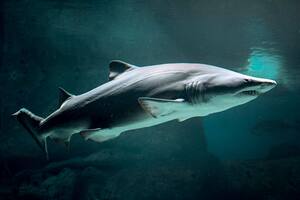
Vaccines and sharks
A compound extracted from the livers of sharks is used in five coronavirus vaccine candidates
By Redação
Zoology

Sound absorbing wings
Microscopic structures on the scaled wings of two moth species are able to absorb many of the ultrasound waves emitted by bats
By Redação
Notes
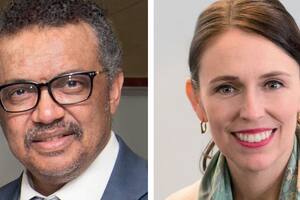
Ten people who made a difference in 2020
In December, the journal Nature published its traditional annual list of 10 science personalities who deserved recognition in 2020
By Redação
Medicine
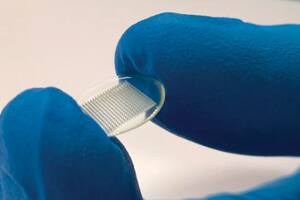
Microneedles to treat cancer
A dressing made up of hundreds of microscopic needles that dissolve in the body promises to improve skin cancer treatment with photodynamic therapy
By Redação
Astronomy
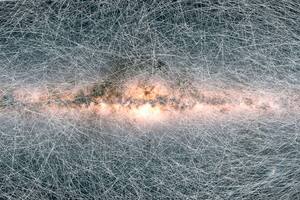
Space 1.6 million years from now
Using new data astronomers have predicted the movement of the 300,000 stars within 326 light-years of the Sun over the next 1.6 million years
By Redação
Anthropogenic mass

The weight of human production
Asphalt and concrete make up most of the mass produced by humans
By Redação
Hayabusa2
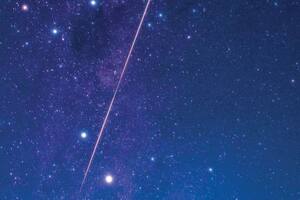
Successful return
The Japanese space mission has successfully collected samples from the asteroid Ryugu and brought them safely back to Earth
By Redação
Paleontology
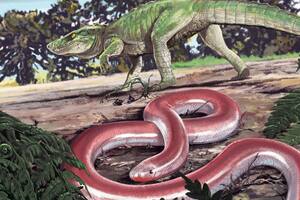
The oldest and largest blind snake
Paleontologists from the University of São Paulo (USP), Ribeirão Preto campus, have identified the world’s largest and oldest blind snake
By Redação
Biochemistry

Anti-predator chemical shield
Seemingly harmless at first glance, the African maned rat (Lophiomys imhausi) carries a lethal weapon in its coat
By Redação
Biology
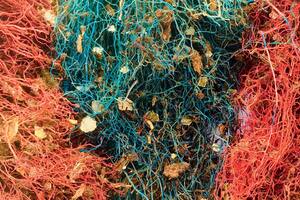
Underground dispute
A team of researchers from the USA, Spain, and Brazil have explained the growth behavior of plant roots
By Redação
Data
Engineering courses: fall in the number of new and graduating students
Number of new students fell by 17% between 2018 and 2019 to 39% below its peak in 2014
By Redação
Good practices
Frustrated ambitions
A group of researchers from the Netherlands has been working on a large multidisciplinary survey on scientific integrity at Dutch universities and research institutions
By Redação
Good practices
1951 paper on homosexuality retracted
The Journal of Nervous and Mental Disease has announced the retraction of a scientific article published almost 70 years ago.
By Redação