Biology
Molecular biology
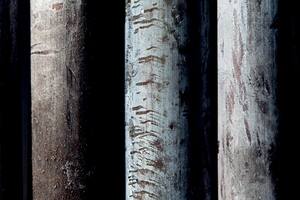
Sugarcane mapped
A team coordinated by Brazilian scientists finds over 370,000 genes when sequencing a commercial cultivar of the plant

Pesquisa Fapesp 20 Years

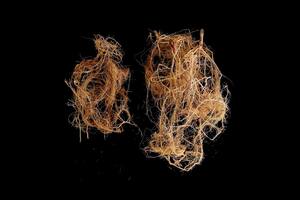
Early inoculants
The first products made with nitrogen-fixing bacteria for soybean crops date back to the 1960s

Microbiology
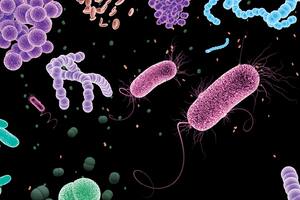
Bacteria in the ICU
Microbes found on mattresses, medical equipment, and smart devices can survive routine cleaning
Genetics
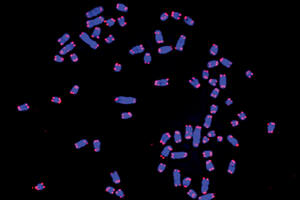
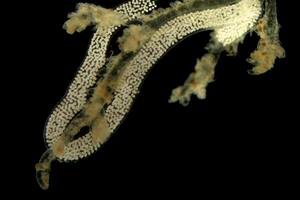
Telomere degradation determines lifespan
A study compared how telomeres change over the lifetimes of a variety of animals
By Redação
Biodiversity

A deadly month for right whales
At least six right whales were found floating dead in the icy waters of the Gulf of Saint Lawrence, off the east coast of Canada
By Redacción
Biology
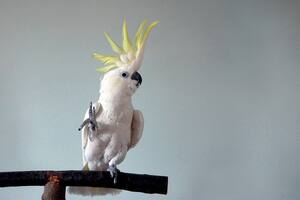
The cockatoo that just wants to have fun
The bird's rhythmic behavior can provide insights into how this parrot species' brain functions
By Redação
Biology
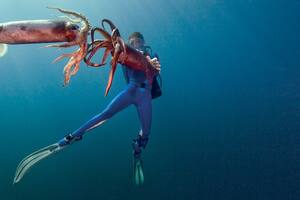
Giants with their own light source
Researchers have now isolated the substances involved in Dosidicus gigas bioluminescence
By Redação
Archaeology
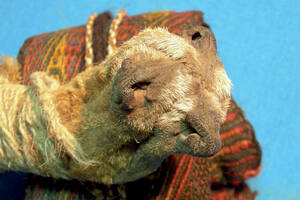
Ancient use of psychoactive substances in Bolivia
An international team of anthropologists and bioarchaeologists has identified traces of hallucinogenic substances in a 1,000-year-old leather bag found in the Bolivian Andes
By Redação


biodiversity
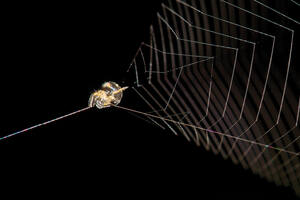
Faster than a cheetah
Instead of waiting for insects to fly into its web, a small spider in the Theridiosomatidae family launches itself like a slingshot to catch the prey
By Redação
PHOTOLAB

Medicinal necklaces
Crnkovic studied microalgae in fresh water as part of her PhD research, which involved bioprospecting for compounds that could help fight cancer
By Redação

Zoology
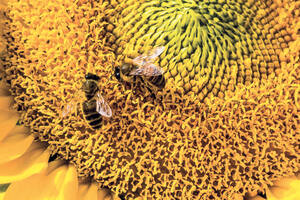
Bees capable of adding and subtracting
Apis mellifera bees can learn to recognize quantities
By Redação


Photolab

Microscopic giants
In samples collected off the coast of Rio de Janeiro and from saline lakes in the Pantanal, virologist identified giant viruses with the longest tails ever recorded
By Redação

Microbiology

Bacteria hungry for works of art
Some microorganisms destroy works of art while others protect them
By Redação
Biodiversity
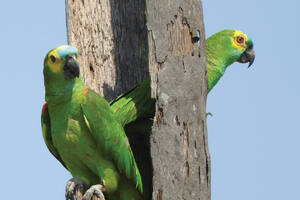
The long life of parrots
Genetic mutations help the turquoise-fronted Amazon parrot live for up to 80 years
By Redação
Good practices

Transparency on the rise
A study published in the journal PLOS Biology suggests biomedical research is becoming more open and transparent
By Redação