Printed
Aeronautical engineering
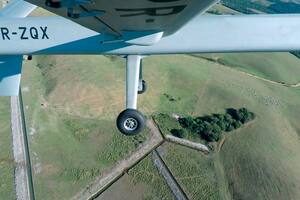
The Atobá takes flight
Rio-based firm successfully develops large-sized unmanned aircraft for defense and security missions
Crop science
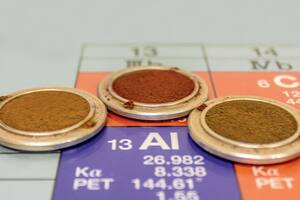
Soil genetics
New mineral mapping technique can help farmers save on farm inputs and minimize environmental impacts


Scientific publications

The Plan S labyrinth
In effect since January 1, the open-access initiative reduces ambitions and faces uncertainty about its reach
Bibliometrics

Science with impact
The number of Brazilians among the most cited researchers increased in 2020



COVID-19
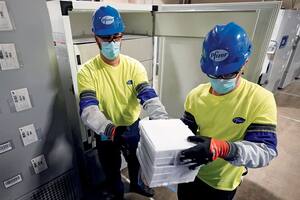
Distribution challenges
Governments need to work with pharmaceutical and logistics companies to overcome obstacles to start the SARS-CoV-2 immunization campaign
By Tiago Jokura
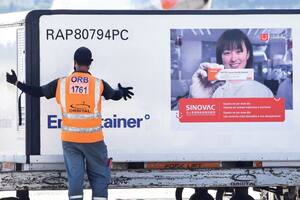
COVID-19

First cases of reinfection confirmed in Brazil
On December 9, Brazil’s health authorities officially confirmed the country’s first proven reinfection by SARS-CoV-2
By Redação
COVID-19
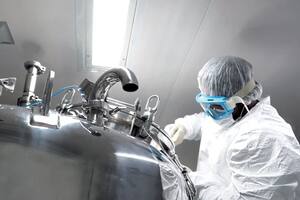
Butantan develops serum for the novel coronavirus
The Butantan Institute has completed development of a serum to combat SARS-CoV-2
By Redação
COVID-19
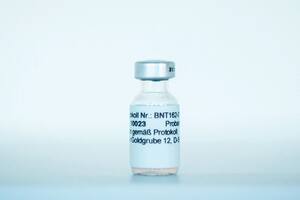
Unequal access
Even before efficacy data for the vaccine candidates was released, it was clear that there will not be enough supply to immunize the entire global population before the end of next year
By Redação
COVID-19
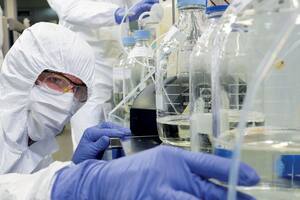
Australia gives up on vaccine candidate
A vaccine being developed by the University of Queensland and biotechnology company CSL, both from Australia, is the first of more than 200 candidates to be discarded
By Redação
COVID-19
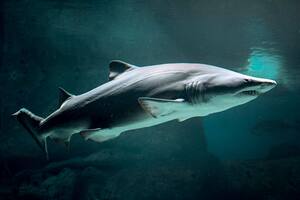
Vaccines and sharks
A compound extracted from the livers of sharks is used in five coronavirus vaccine candidates
By Redação
Zoology

Sound absorbing wings
Microscopic structures on the scaled wings of two moth species are able to absorb many of the ultrasound waves emitted by bats
By Redação
Notes
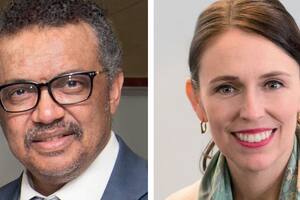
Ten people who made a difference in 2020
In December, the journal Nature published its traditional annual list of 10 science personalities who deserved recognition in 2020
By Redação
Medicine
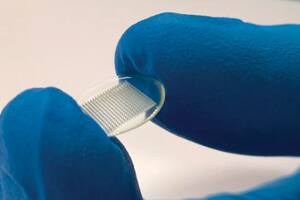
Microneedles to treat cancer
A dressing made up of hundreds of microscopic needles that dissolve in the body promises to improve skin cancer treatment with photodynamic therapy
By Redação
Astronomy
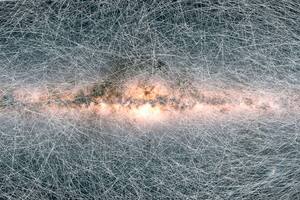
Space 1.6 million years from now
Using new data astronomers have predicted the movement of the 300,000 stars within 326 light-years of the Sun over the next 1.6 million years
By Redação
Anthropogenic mass

The weight of human production
Asphalt and concrete make up most of the mass produced by humans
By Redação
Hayabusa2
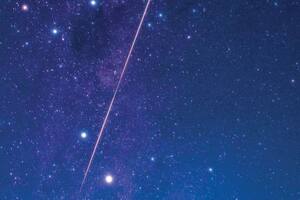
Successful return
The Japanese space mission has successfully collected samples from the asteroid Ryugu and brought them safely back to Earth
By Redação
Paleontology
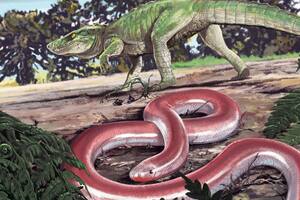
The oldest and largest blind snake
Paleontologists from the University of São Paulo (USP), Ribeirão Preto campus, have identified the world’s largest and oldest blind snake
By Redação
