Air quality weighs heavy on health in Europe
August 13, 2019 2:47 pm Leave your thoughtsNearly 800,000 people in Europe die every year as a result of air pollution
Nearly 800,000 people in Europe die every year as a result of air pollution
Of the US$542 billion spent on research and development (R&D) in the United States in 2017, 73% was invested by businesses and 13% by universities
The American Heart Association dismissed cardiologist Roberto Bolli from his position as editor in chief of its journal Circulation Research
Why do authors publish in predatory journals that do not properly review articles and are more interested in making money than maintaining a good reputation?
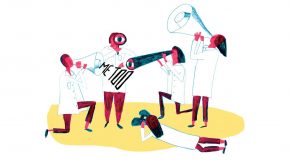
US National Institutes of Health reinforces commitment to punishing researchers, while Congress discusses rules for federal funding agencies
The evolution of science is much less linear and predictable, as well as more susceptible to mistakes and chance, than... View Article
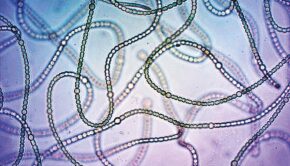
Crnkovic studied microalgae in fresh water as part of her PhD research, which involved bioprospecting for compounds that could help fight cancer
Acoustic information portrays environments and set natural changes apart from those caused by human action | 7'46"

Brazilian chemist awarded a grant from the MacArthur Foundation for her contributions to the improvement of cancer diagnostic tools
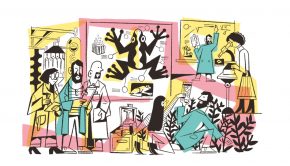
Undergraduate research projects can help students decide whether to continue onto graduate programs

Seventy years ago, a movement led by a group of scientists catalyzed the creation of the Brazilian Center for Physics Research
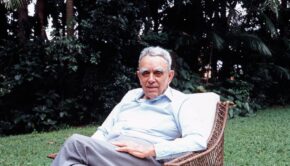
Bee researcher Paulo Nogueira-Neto was one of the leading environmental policy makers in Brazil

Economist João Paulo dos Reis Velloso founded FINEP and cocreated IPEA

Studies investigate the profile of women who are victims of domestic violence in Brazil

Burle Marx's deep connection to the issues of his era mobilizes researchers who discuss the importance and challenges involved in preserving his work

The founder of the multinational CI&T speaks about the challenges that companies of the twentieth century face to adapt to a digital environment

Image processing systems are increasingly being used for industrial applications, from helping people with disabilities to diagnosing disease
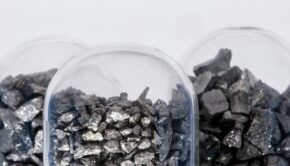
Niobium, of which Brazil is by far the world’s largest producer, is surrounded by myths and misconceptions
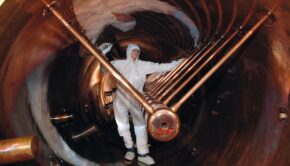
After 150 years, the diagram that arranges the chemical elements based on their similar properties faces difficulties for further growth

British physicist Peter Goddard, former director of the Institute for Advanced Study at Princeton, says innovative research must be unpredictable

Five months after the fire, a visit to the rubble shows what remains of São Cristóvão Palace
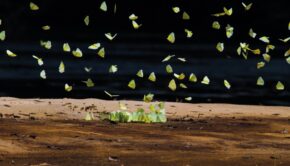
Studies based on gene and fossil analysis estimate that butterflies emerged between 120 and 100 million years ago

A study of 15,000 people in Brazil indicates an association between psychiatric problems and cardiovascular diseases
Brazilian researchers find that fasting causes growth hormone to activate neurons that induce hunger and undermine weight loss

UNICAMP welcomes first students admitted on science competition performance without admission exams

Consultation receives more than 600 suggestions on how open-access strategy could be changed
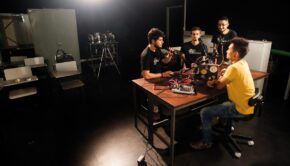
Podcasts gain audiences and open new avenues for science communication throughout Brazil

Economist points out the diversity of productive structures and the role of peasants dating back to the eighteenth century
Higher education in Brazil incorporates different approaches from around the world

Sustained by taxation, educational funding systems like FUNDEB, which will end in 2020, represent a new challenge for the federal government