R&D expenditure in the state of São Paulo
June 26, 2019 3:38 pm Leave your thoughtsResearch and development (R&D) expenditure in the state of São Paulo totaled R$25.8 billion in 2017, slightly lower than the previous year
Research and development (R&D) expenditure in the state of São Paulo totaled R$25.8 billion in 2017, slightly lower than the previous year
A study published in the journal PLOS Biology suggests biomedical research is becoming more open and transparent
Twenty-six scientific articles by electrical engineer Antonio Orlandi have been retracted

Dutch code of conduct proposes ongoing discussion on scientific integrity without fear of reprisals, highlighting the duties of care of research institutions
In the early 1990s, researchers from São Paulo submitted research proposals to FAPESP on artificial neural networks, a relatively unknown... View Article
Frogs are very particular when choosing the flowers in which they will spend their whole lives
Paleontologists talk about characteristics and origins of dinos | 10'59"
Philosopher combines psychoanalysis and literature to create a reading project for public school students

Researchers can benefit from well-planned retirement

A scientific expedition to Ceará in the mid-nineteenth century helped to expand collections at the National Museum

Studies revisit the history of one of Brazil’s most important culinary traditions
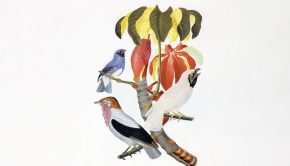
Using a multidisciplinary approach, book recovers legends and records of naturalists to reveal little known aspects of the Amazon

The president of Movile speaks about the future of iFood, which received funding of US$500 million, and encourages internationalization of innovative companies

The Navy launches the Riachuelo, the first of five submarines that will set a new technological benchmark for the Brazilian naval industry

Facial recognition systems are becoming increasingly popular in Brazil and are already in use to prevent fraud, identify university exam participants, monitor travelers, and check in air passengers

Brazilian identification systems company Griaule has won two contracts in the United States worth a total of US$82.5 million—one with the Department of Defense

Researchers puzzled by recent discoveries of stars with variable brightness
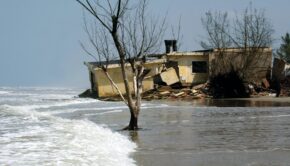
Loss or accumulation of sand and mud has altered 60% of the Brazilian coastline
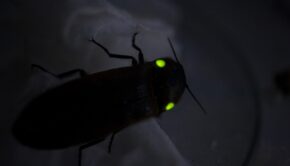
Bioluminescence research sheds new light on the mechanisms behind firefly colors

Overfishing could further decrease the naturally low genetic diversity of some commercially valuable species
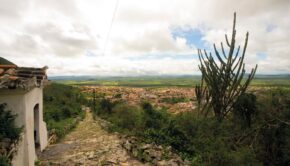
Number of Brazilians diagnosed with uncommon genetic pathologies increases 150% in four years
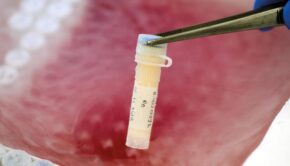
Hospitals such as ICESP and A.C.Camargo combine basic research with applied research in the search for better treatments for tumors
New editor in chief of Nature talks about the challenge of overcoming the reproducibility crisis and the rise of open access

State creates mechanisms for funding corporate projects, despite the economic crisis
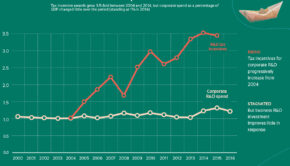
IPEA study finds tax incentives have failed to boost private R&D investment in Brazil in recent years
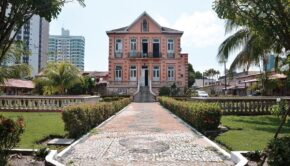
Founded in 1936, the Evandro Chagas Institute produces world-leading research on infectious and parasitic diseases and environmental issues

Discoverer of more than 100 species of viruses in the Amazon, the virologist from the state of Pará says it's just a matter of time before there are new outbreaks of the two diseases

The way in which the Federal Constitution would consider the allocation of resources for science and technology mobilized the scientific community from the beginning of the constituent process
Prior to the creation of the Unified Health System (SUS), only workers with formal employment and no debt owing to Social Security were entitled to publicly funded medical care

Three decades after its ratification, a scientific study reveals the uniqueness of the federal Constitution's construction and evidence of pioneering spirit in its codification of citizens' rights