Biochemistry
Butantan – 120 years
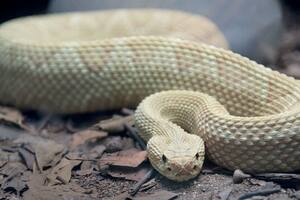
Among venoms, not just from snakes
Researchers investigate the action and possible uses of toxins
Biochemistry

Anti-predator chemical shield
Seemingly harmless at first glance, the African maned rat (Lophiomys imhausi) carries a lethal weapon in its coat
By Redação
Biology
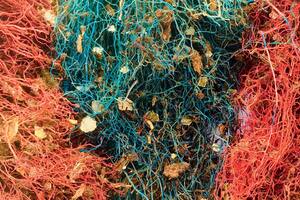
Underground dispute
A team of researchers from the USA, Spain, and Brazil have explained the growth behavior of plant roots
By Redação
Photolab
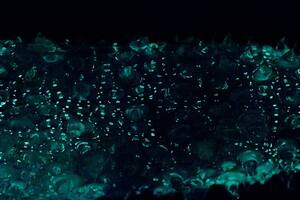
Underwater stars
When disturbed by a physical bump or a beam of light, the tunicates Pyrosoma atlanticum emit a turquoise light
By Redação

Chemistry

Life on Venus?
An international group of researchers identified the presence of phosphine, a possible sign of life, in the atmosphere of Venus
By Redação
Biochemistry

The trigger for muscular strength
An international group of researchers has identified a chemical compound that functions as a molecular trigger for the strength gains caused by physical exercise
By Redação
Chemistry

Impurities in psychedelics
Researchers analyzed drugs seized in Santa Catarina between 2011 and 2017 and found a change in the composition of blotters
By Redação
Health

Low vitamin D levels
In Brazil, about 875,000 people aged over 50 are deficient in vitamin D
By Redação
Technology
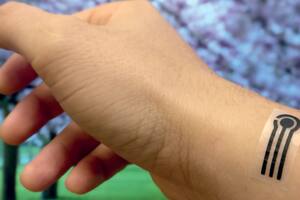
Nanocellulose sensors
Microbial nanocellulose could be used to make electrochemical sensors that attach to the skin to monitor health conditions or physical performance
By Redação
Biochemistry

Venomous amphibians
Caecilians are venomous animals, capable of injecting venom into their prey, say researchers from the Butantan Institute
By Redação
Innovation

From cocoons to bones
A team has developed a potentially simpler, faster, and cheaper strategy for producing a biocompatible material that can be used as a scaffold for repairing long bones
By Redação
Medicine
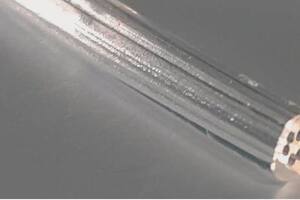
Gelatin optical fiber
Researchers used agar, a type of gelatin extracted from algae, to develop a biodegradable and biocompatible optical fiber
By Redação

Genetics

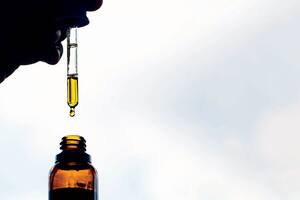
The glowing mosquito from Vale do Ribeira
It may be possible to genetically engineer the larvae of disease-causing mosquitoes such as Aedes aegypti to make them glow
By Redação
Biology

Giants with their own light source
Researchers have now isolated the substances involved in Dosidicus gigas bioluminescence
By Redação

Biochemistry
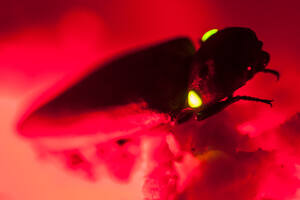
Green, yellow, or red
Bioluminescence research sheds new light on the mechanisms behind firefly colors

Archaeology

The origin of chocolate and camouflaged fungus
Artifacts that belonged to native Americans between 5,300 and 2,100 years ago hold the earliest evidence of the domestication and use of cacao
By Redação
Neuroscience
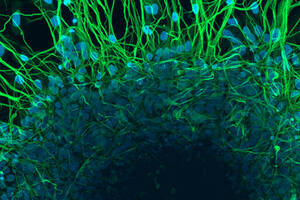
Pain neurons grown in a laboratory
Brazilian researchers have developed human sensory neurons in a laboratory for the first time
By Redação

Genetics

The limitations of a genome editing technique
The CRISPR-Cas9 gene-editing technique is less accurate than previously thought
By Redação


PHARMACY
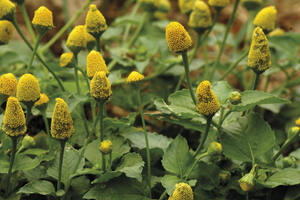
An eclectic plant
Jambu is used not only in the kitchen but also in cosmetics, and could be used in dentistry and to kill ticks
By Redação
Chemistry
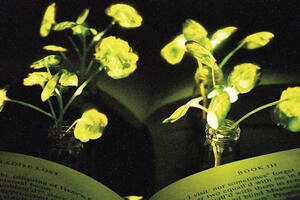
Enzyme transforms plants into a source of light
Chemical Engineers at the MIT have created a watercress plant capable of emitting light for up to four hours
By Redação