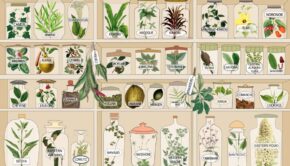
A neglected threat to ethnobotany
February 23, 2022 6:21 pmStudy shows that language extinction could lead to incalculable losses of medicinal knowledge
Study shows that language extinction could lead to incalculable losses of medicinal knowledge
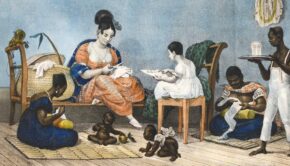
Early demographic data show that 20% of households were headed by women in colonial Brazil
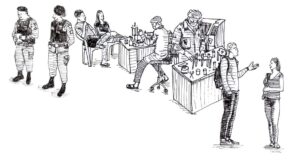
Technological development favors urban safety and the fight against drug trafficking

Dialogue between academia and police stimulates development of security policies

Fast, portable, and sensitive, a new test could be a useful tool for preventing leprosy and helping with early diagnosis.
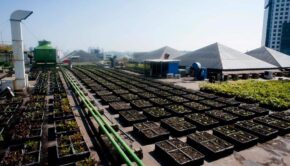
Climate emergencies and pandemics reinforce the importance of agricultural production in cities, which accounts for 15% of the food grown worldwide
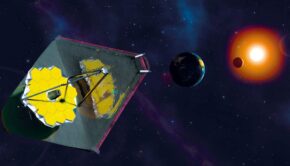
The James Webb Space Telescope is due to be launched in late December; Brazilian astronomers will lead two observation programs and collaborate on another nine

Brazilians identify new areas of the brain's hunger circuit

A microbiologist talks about the challenges of detecting manipulated images in scientific papers, and receiving threats on social media
FAPESP's open-access policy states that scientific articles must be freely available within 12 months of publication
List of 21 highly cited Brazilian researchers shows lines of investigation earning international recognition

Wind and solar energy expected to continue increasing their share in the power generation mix over the coming years

Historic drought exposes vulnerabilities in Brazil’s electricity system, which is heavily dependent on hydroelectric plants

Sociologist reflects on his nearly half-century-long career and the challenges the current political climate pose for the human sciences

Brazil is one of the most referenced countries in publications about the disease
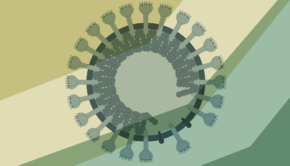
Researchers are testing a range of technologies, but few initiatives will receive the funding needed for costly phase 3 clinical trials

The COVID-19 pandemic has led to 129.4 million new cases of anxiety and depression worldwide
The immune response to the novel coronavirus provided by vaccines is more consistent than that triggered by natural infection with SARS-CoV-2
As well as causing a reduced sense of taste and smell, the novel coronavirus can infect inner ear cells, leading to hearing loss and balance problems
An antiviral pill developed by pharmaceutical company Pfizer reduced the risk of death and hospitalization in people recently diagnosed with Covid-19 by 89% compared to a placebo

The CoronaVac vaccine, produced in Brazil by the Butantan Institute, is safe for children and adolescents, with no major side effects

Water availability for ecosystems and human use is under threat in the Colorado River basin in the southwestern USA

A group of researchers has sequenced and analyzed the genome of the second largest fish in the Amazon
The Brazilian Ministry of Health signed a term of commitment with the University of Oxford, UK, to establish a clinical research and development center in Rio de Janeiro for the British institution’s drugs and vaccines

Six letters written in ancient Tupi by indigenous peoples during the Brazilian colonial period have finally been transcribed and translated into Portuguese
A 1,000-year-old gold mask that belonged to a leader of the Sicán culture was painted with mineral pigment, human blood, and egg white

Consumption of unprocessed or minimally processed foods has fallen over the last 30 years
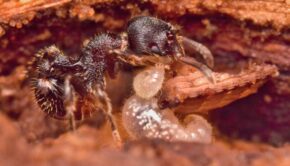
Ants with women's names

In an open letter, 21 scientists awarded this year’s National Order of Scientific Merit renounced the honor

The rocky planets orbiting stars outside our Solar System may have a very different chemical composition to Earth