
Physician, anthropologist, and broadcaster
April 30, 2021 5:58 pmInquisitive and inventive, Edgard Roquette-Pinto participated in the country’s antiracial movements and the introduction of radio
Inquisitive and inventive, Edgard Roquette-Pinto participated in the country’s antiracial movements and the introduction of radio

Documents detail the arrival of enslaved Africans in Rio de Janeiro in the early nineteenth century

Scientists investigate the role money and courts play in Brazilian elections

Brazilian satellite Amazonia-1 ready for launch

Unmanned aerial vehicles are being used to quickly and efficiently monitor rainforests in great detail
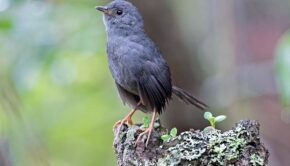
Most species in the tropics emerged in extreme environments, such as deserts and mountains, before establishing themselves in other biomes

Subject to constant erosion, they are slowly advancing inland, and within a few million years could form a vast coastal plain

Sensors installed up to 4,700 meters below the ocean’s surface record increased temperatures in abyssal regions of the South Atlantic

Teachers explain how they use Pesquisa FAPESP in the classroom

Small local manufacturers struggle to gain foothold in Brazilian scientific supplies market
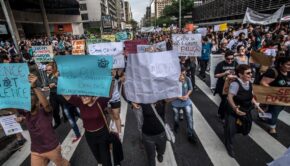
Brazil’s primary funder for scientific research, FNDCT, has been restructured but government vetoes blocking freezes to their resources

Despite insufficient investment, Brazil’s universal health care system has improved social indices and has been crucial to fighting the COVID-19 pandemic

Researchers investigate the action and possible uses of toxins
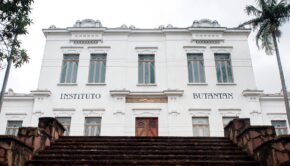
The São Paulo institute strengthened itself, mobilized competencies, and integrated teams to face the pandemic

The hematologist from USP readies the São Paulo institute to fight the pandemic and has plans to transform it into one of the world’s top producers of vaccines and serums

The introduction of vaccines in the battle against the COVID-19 pandemic raises new challenges

Approved for emergency use, CoronaVac is the first vaccine to be offered in Brazil

Map shows the origin of passengers who showed symptoms of illness after the journey
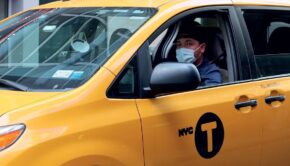
Always open car windows to reduce the risk of being infected by the novel coronavirus

On January 18, FAPESP started the #vacinasim (“yesvaccine”) social media campaign to reinforce public confidence in their safety and effectiveness
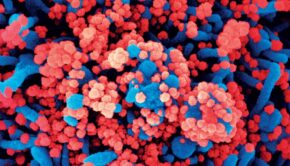
The immune system's ability to recognize the novel coronavirus and fight it seems to last for at least eight months

The strict social distancing measures adopted by governments to try to contain the spread of the pandemic have improved air quality in some of the world's major cities

Fragments of Atlantic Forest have already lost 23–42% of their biodiversity and forest carbon stocks

Astronomers observed a galaxy ejecting immense quantities of cold gas, enough to form 10,000 new stars the size of the Sun every year
Experiments demonstrated for the first time the possibility of using plasma to accelerate the formation and precipitation of salt crystals from seawater
Joe Biden, the new president of the USA, nominated geneticist Eric Lander as chief science advisor and director of the Office of Science and Technology Policies
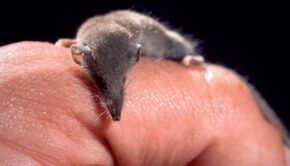
In adverse conditions, such as when it is cold or food is scarce, the brain of some rodents shrinks in size, helping to conserve energy
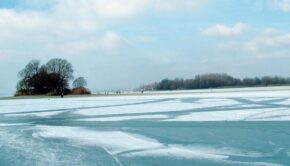
Some 5,700 lakes in the northern hemisphere are expected to lose their ice cover during the winter by the end of the century
A scene portraying pigs native to Indonesia could be the oldest figurative painting attributed to modern humans ever found.

Cell Press has adopted an innovative policy to encourage diversity and inclusion in scientific research